
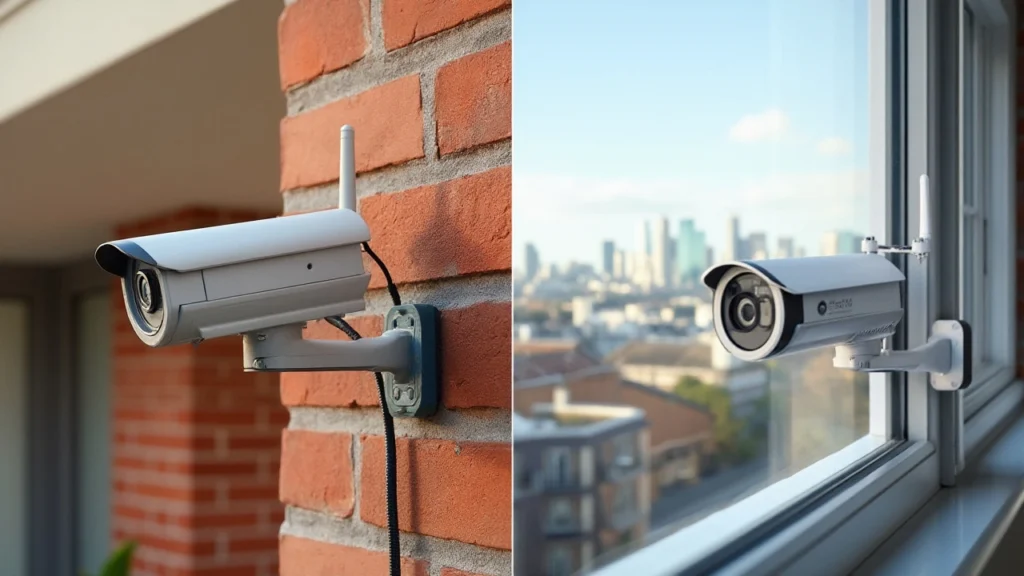

Home Security Systems: An Overview
Home security systems are designed to protect your property, belongings, and loved ones from threats like burglary, vandalism, and unauthorized access. Over the years, these systems have evolved from simple alarms into smart, connected solutions that offer real-time monitoring and instant alerts. Today, homeowners usually choose between wired and wireless security systems. Each option has its own strengths, limitations, and ideal use cases. Understanding how these systems work and what they offer helps you make a smarter, more confident decision based on your home size, lifestyle, and security expectations.
What Is a Wired Home Security System?
A wired home security system uses physical cables to connect sensors, cameras, control panels, and alarms. These systems are typically installed during construction or major renovations because wiring needs to be routed through walls, floors, or ceilings. Wired systems are known for their stable performance and long-term reliability. Since they don’t rely on wireless signals, they are less affected by interference. Many homeowners choose wired systems for permanent residences where consistent performance and minimal signal disruption are a top priority.
How Wired Security Systems Work
Wired security systems operate through a closed network of physical connections. Sensors placed on doors, windows, and key areas send signals through cables to a central control panel. If a sensor is triggered, the system immediately activates the alarm or sends a notification to a monitoring center. Because everything is physically connected, the signal remains steady and dependable. This setup reduces false alarms and ensures faster response times, especially in large homes where signal strength can be a concern.
What Is a Wireless Home Security System?
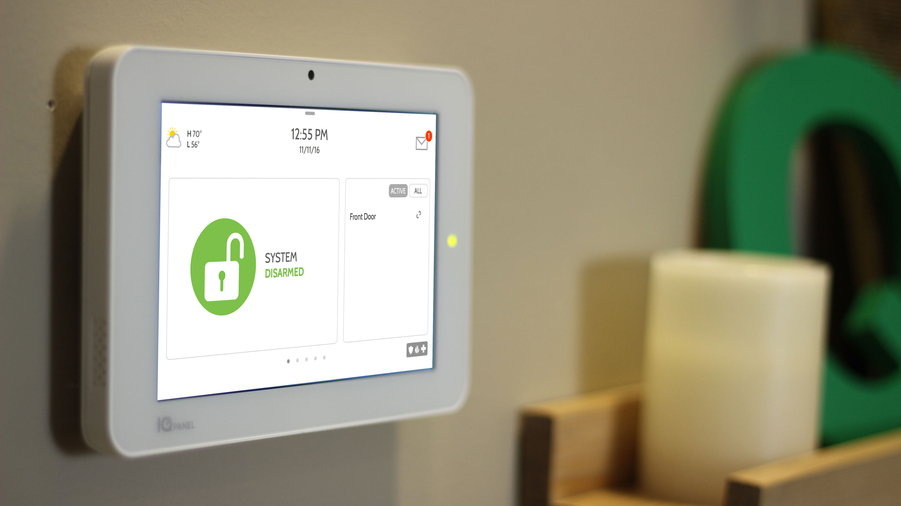
A wireless home security system communicates using radio frequency, Wi-Fi, or cellular signals instead of physical wires. These systems are popular because they are easy to install, flexible, and modern. Most wireless systems are DIY-friendly and can be set up without drilling or professional help. They also integrate well with smart home devices. Homeowners who want quick installation, portability, and remote access often prefer wireless systems, especially in apartments or rented properties.
You Might also Like Best WiFi Routers for Smart Homes
How Wireless Security Systems Work
Wireless systems rely on sensors that send signals to a central hub using encrypted wireless communication. When a sensor detects motion or unauthorized entry, it instantly alerts the control panel, which then triggers alarms or mobile notifications. Many systems also connect to smartphone apps, allowing users to monitor their home in real time. Battery-powered sensors ensure the system keeps working even during power outages, making wireless systems both convenient and reliable.
Key Differences Between Wired and Wireless Systems
The main difference between wired and wireless security systems lies in connectivity and flexibility. Wired systems depend on physical cables, offering consistent performance but limited mobility. Wireless systems, on the other hand, provide flexibility, easier upgrades, and remote control but rely on signal strength and battery power. Installation time, cost, maintenance, and scalability also vary significantly. Choosing between them depends on factors like home size, ownership status, budget, and how much control you want over installation and future expansion.
Installation Requirements and Complexity
Installation is one of the biggest deciding factors when choosing a security system. Wired systems usually require professional installation and more time, especially if walls need to be opened. Wireless systems are faster to install and often designed for DIY setup. This makes them ideal for homeowners who want minimal disruption. However, professionally installed wired systems can offer cleaner integration and long-term stability. Your choice should balance convenience with performance and long-term security needs.
Professional Installation vs DIY Setup
Professional installation ensures optimal placement, secure wiring, and proper system configuration. This is common with wired systems and high-end setups. DIY installation, typically used for wireless systems, allows homeowners to install and adjust components themselves. It saves money and offers flexibility, but requires careful setup to avoid coverage gaps. The right option depends on your technical comfort level, budget, and how much customization you want in your security system.
Cost Comparison Between Wired and Wireless Systems
Cost plays a major role when choosing between wired and wireless home security systems. Wired systems usually have higher upfront costs due to professional installation and labor-intensive wiring. However, once installed, they often require fewer component replacements. Wireless systems tend to be more affordable initially, especially DIY options, but may involve recurring expenses like battery replacements or subscription fees. Long-term value depends on how long you plan to stay in your home, your upgrade needs, and whether you prefer paying more upfront or spreading costs over time.
Long-Term Maintenance and Upkeep
Maintenance requirements differ significantly between wired and wireless systems. Wired systems generally need less frequent attention because they don’t rely on batteries for individual sensors. Once installed correctly, they can operate smoothly for years. Wireless systems require regular battery checks and occasional sensor replacements. Software updates are also more common with wireless systems. While maintenance is usually simple, it’s important to stay consistent to ensure the system remains fully functional and responsive at all times.
Reliability and System Stability
Reliability is a key concern for homeowners investing in security. Wired systems are known for their consistent performance because physical connections are not affected by signal interference. Wireless systems have improved greatly over the years, but performance can still depend on Wi-Fi strength, distance, and environmental factors. That said, modern wireless systems use encrypted signals and backup connections to maintain stability. Your home’s layout, size, and network quality play a major role in overall system reliability.
Performance During Power Outages
Power outages can test the effectiveness of any security system. Wired systems may stop functioning if they lack a battery backup. Wireless systems often perform better in these situations because many components are battery-powered. Some advanced systems also include cellular backups that keep alerts active even when the internet goes down. For areas with frequent outages, choosing a system with strong backup options can significantly improve peace of mind and continuous protection.
Security Risks and Vulnerabilities
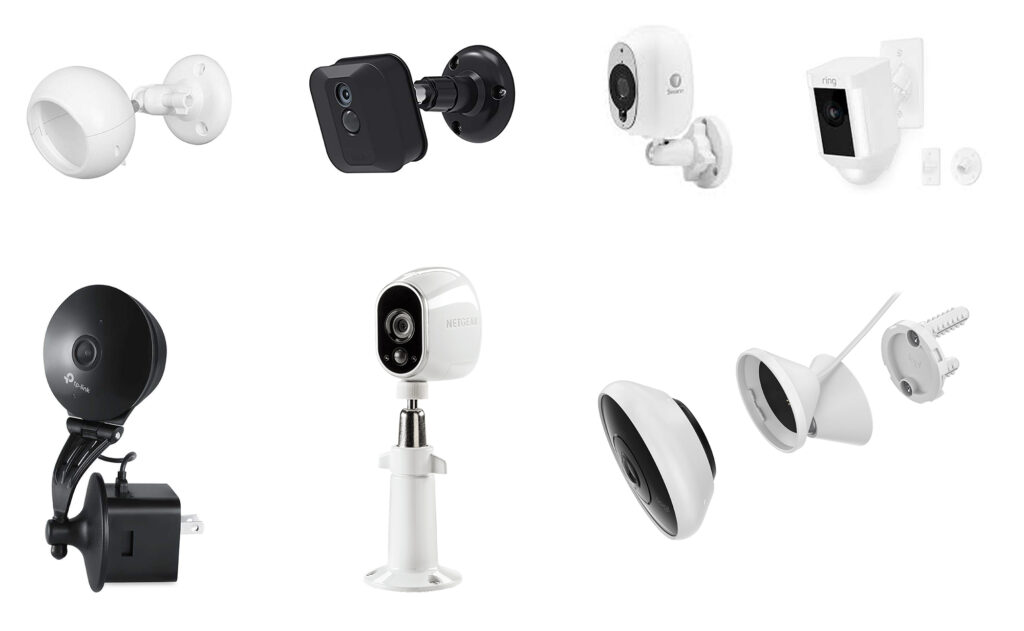
Every security system has potential vulnerabilities, but understanding them helps reduce risk. Wired systems can be vulnerable to physical tampering if cables are exposed. Wireless systems face risks such as signal interference or hacking attempts. However, modern wireless systems use advanced encryption and authentication protocols to prevent unauthorized access. Proper installation, secure passwords, and regular updates greatly reduce risks. Choosing a reputable brand and following best practices is more important than the system type itself.
You Might also Like Home Improvement Tips for Renters
Hacking and Signal Interference Concerns
Wireless systems are sometimes criticized for hacking risks, but most modern systems are well-protected. Encrypted communication, rolling codes, and secure mobile apps make unauthorized access difficult. Signal interference is also less common than it used to be, thanks to improved technology. Placing sensors correctly and maintaining a strong network connection further minimizes issues. Wired systems avoid these concerns but still require physical security to prevent intentional damage.
Monitoring Options and Alert Systems
Monitoring options vary widely between wired and wireless security systems. Both can support professional monitoring services that alert authorities during emergencies. Wireless systems often offer app-based monitoring, allowing homeowners to receive instant notifications, view live camera feeds, and control settings remotely. Some wired systems also support smart monitoring but may require additional equipment. The right monitoring setup depends on how involved you want to be in managing your home’s security.
Smart Home Integration Capabilities
Smart home integration has become a major advantage of modern security systems. Wireless systems typically connect easily with smart locks, lights, thermostats, and voice assistants. This creates a unified home automation experience. Wired systems can also integrate with smart devices, but upgrades may be more complex. If you want your security system to work seamlessly with other smart technologies, wireless systems usually offer more flexibility and future-ready features.
Compatibility With Smart Devices and Apps
Most wireless security systems are designed to work with smartphone apps and popular smart home platforms. These apps allow users to arm or disarm the system, receive alerts, and monitor activity remotely. Compatibility makes daily use more convenient and improves response times during emergencies. Wired systems may offer similar features, but often require additional modules. App-based control is especially useful for busy homeowners or frequent travelers.
Scalability and Future Expansion
Scalability is an important factor when choosing a home security system, especially if your needs may change over time. Wireless systems are generally easier to expand because new sensors, cameras, or smart devices can be added without rewiring. This flexibility makes them ideal for growing families or homeowners planning upgrades. Wired systems are more limited in expansion and may require professional help to add components. If future upgrades, smart integrations, or system growth matter to you, scalability should heavily influence your decision.
Best Security System for Large Homes
Large homes require consistent coverage across multiple rooms, floors, and outdoor areas. Wired security systems are often better suited for these properties because they provide stable connections over long distances without signal loss. Once installed, they deliver reliable performance for complex layouts. However, advanced wireless systems with mesh networks can also handle large homes effectively. The best option depends on construction type, wiring access, and whether long-term stability or flexible upgrades are your top priority.
Best Security System for Apartments and Renters
Apartments and rental properties benefit most from wireless security systems. These systems are easy to install, require no drilling, and can be removed without damaging the property. Portability is a major advantage, allowing renters to take the system with them when they move. Wireless systems also integrate well with mobile apps, making them ideal for busy lifestyles. For renters seeking affordable, flexible, and non-invasive security solutions, wireless systems are usually the most practical choice.
Wired vs Wireless: Which One Should You Choose?
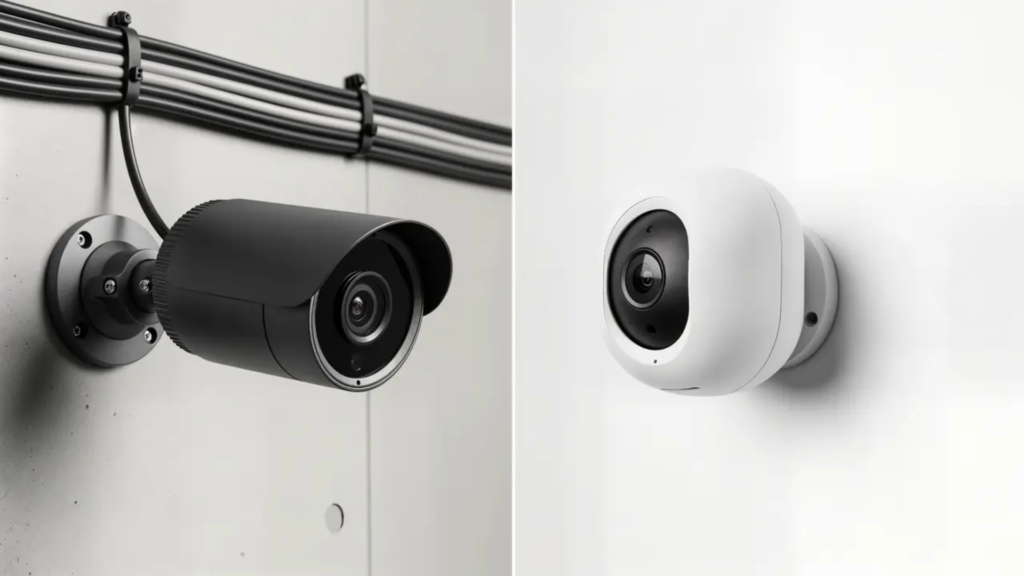
Choosing between wired and wireless security systems depends on your specific needs rather than a one-size-fits-all answer. Wired systems offer long-term reliability and are ideal for permanent residences. Wireless systems provide flexibility, modern features, and easy installation. Consider factors such as home ownership, budget, installation preferences, and future expansion. By aligning these factors with your lifestyle, you can select a system that delivers both peace of mind and long-term value.
Final Thoughts on Home Security Systems
Both wired and wireless home security systems offer strong protection when installed and maintained properly. The key is understanding your home’s layout, security goals, and daily habits. Wired systems excel in stability, while wireless systems shine in convenience and smart features. There is no wrong choice, only the right fit for your situation. A well-chosen security system not only protects your home but also enhances comfort, control, and confidence in everyday life.
Read More Informative Information At Mypasokey