
What is Video&A?
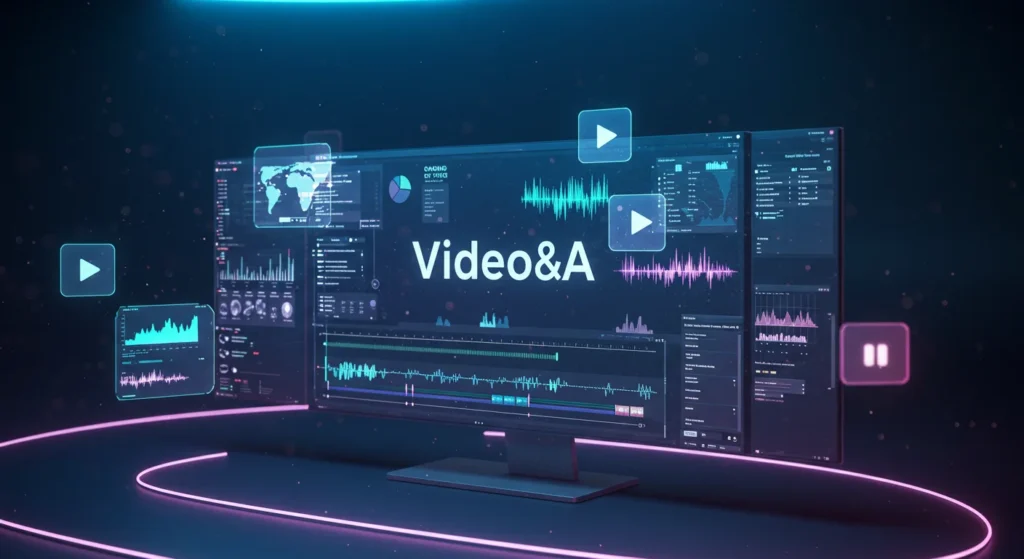
Video&A is the next evolution in how audiences interact with content creators, brands, and educators. It blends the power of video communication with question-and-answer interactivity, allowing real-time or recorded responses to viewer questions. Instead of traditional text-based Q&A sessions, Video&A enables creators to respond using personalized videos, adding tone, expression, and authenticity. This form of interaction is quickly becoming essential in marketing, education, and digital engagement, as it humanizes the online experience and builds stronger trust between brands and audiences.
Definition and Core Concept
At its core, Video&A combines “video” and “Q&A” to create a two-way communication experience. Viewers ask questions, and creators reply through short, targeted videos. This approach transforms static Q&A pages into living, dynamic conversations that feel natural and human. The result is deeper engagement, stronger retention, and a richer understanding of the message.
How Video&A Combines “Video” + “Q&A”
The key difference lies in how audiences participate. With Video&A, questions are collected through forms, comments, or AI chatbots, and responses are delivered visually. This blend of visual storytelling and conversational structure gives viewers a more personal connection, which text or audio alone can’t achieve.
The Origin of the Term
The concept of Video&A started gaining traction with platforms like YouTube Shorts, TikTok’s “reply with video,” and Instagram’s Q&A stickers. These early tools introduced the world to bite-sized, interactive content that goes beyond static responses. Over time, businesses, educators, and influencers began adopting Video&A to engage audiences more effectively.
The Evolution of Video&A
The evolution of Video&A reflects a broader shift in how we consume and share knowledge. In the past, written Q&A formats dominated think blog comments or Reddit threads. Then came live Q&A sessions through webinars and social media streams. Now, Video&A combines the convenience of on-demand interaction with the emotional depth of video communication. This fusion not only enhances learning and marketing but also revolutionizes how users expect brands and creators to communicate online.
From Text-Based Q&A to Interactive Video
Traditional Q&A models relied heavily on static text replies, which often lacked personality and clarity. Video&A replaces that coldness with a face-to-face connection. Instead of typing an answer, you record a short, authentic video that directly addresses the viewer’s question, making it far more engaging.
You Might also Like“ What Is Fontlu? “
Early Platforms That Pioneered the Idea
Early versions of Video&A were seen on YouTube’s video replies feature and in live-stream comment interactions. Later, platforms like TikTok, Instagram, and LinkedIn introduced tools that allowed creators to respond to questions via short-form video. These experiments proved one thing: people prefer real faces and voices over plain text.
The Role of AI and Machine Learning in Its Growth
Artificial Intelligence has played a crucial role in accelerating Video&A adoption. AI tools can now analyze audience questions, generate automated video responses, or even create AI avatars that speak in your tone and language. This automation makes it easier for creators and brands to scale Video&A interactions efficiently while maintaining personalization.
Why Video&A Matters Today
Video&A matters because it represents a new level of interactivity and authenticity in digital communication. In an age where audiences crave genuine connection, Video&A breaks the barrier between creator and viewer. Whether it’s a brand addressing customer questions, an educator clarifying concepts, or a tech leader sharing insights, this format builds credibility and trust faster than any static medium. The visual, emotional, and conversational power of Video&A makes it an indispensable tool for anyone serious about engagement and communication.
Humanized Communication Through Video
Video&A humanizes digital interactions by putting a face to every answer. Viewers don’t just read responses they feel seen and understood. Facial expressions, tone, and emotion amplify the message, turning information into connection.
Enhanced Audience Engagement and Trust
When users see real people answering their questions, they engage more deeply. Video&A strengthens brand integrity, fosters loyalty, and encourages repeat interaction. It bridges the emotional gap between content creators and the audience.
Real-Time, Personalized Responses
Video&A allows creators to provide real-time or pre-recorded answers tailored to each query. This personalized approach creates a sense of exclusivity and respect, ensuring the audience feels valued and heard.
Key Features of Video&A Platforms
The true power of Video&A lies in its features, each designed to simplify the process while amplifying engagement. From smart video editors to AI-powered response systems, modern Video&A platforms enable creators and businesses to communicate more efficiently and effectively. These features turn passive viewers into active participants, transforming your digital presence into a two-way conversation that feels alive and human.
Video Recording and Editing Tools
Most Video&A platforms come with built-in video creation and editing tools. You can record, trim, caption, and customize responses in minutes, no professional editing required. This accessibility helps creators focus more on message quality than production complexity.
Interactivity (Polls, Comments, Live Replies)
Interactivity is the lifeblood of Video&A. Viewers can react, vote, or comment in real time, encouraging further conversation. This feedback loop makes Video&A sessions more collaborative and engaging.
Integration with AI and Chatbots
AI-powered chatbots help automate parts of the process, like collecting questions or generating suggested answers. Advanced systems can even produce full video replies using synthetic voices and avatars, allowing 24/7 interaction.
Accessibility and Captioning
Accessibility remains vital in today’s digital world. Many Video&A tools automatically generate subtitles and translations, ensuring inclusivity across audiences with different languages or hearing abilities.
The Technology Behind Video&A
Behind every smooth Video&A experience is a robust technology stack. These platforms rely on a combination of AI, video compression, cloud storage, and natural language processing. Together, they make it possible for creators to record, store, and deliver video replies instantly. The tech also supports analytics, letting users measure engagement and optimize future content. As Video&A continues to grow, these innovations will only become smarter, faster, and more integrated with everyday platforms.
AI-Powered Automated Video Responses
AI is transforming how Video&A works. By analyzing patterns in audience queries, AI can generate video scripts or even full responses automatically. This saves time and ensures consistent, on-brand communication.
Speech-to-Text & Text-to-Video Systems
Modern platforms use speech recognition to convert spoken answers into text for captions or accessibility, while text-to-video tools can turn written scripts into lifelike videos. This integration improves reach and user experience.
Integration with Cloud & Chatbots
Cloud technology ensures smooth storage and playback of videos, while chatbots streamline interaction by handling repetitive queries and routing complex questions to human responders.
Emerging Innovations in AI Video Creation
The next phase of Video&A will bring hyper-realistic AI avatars, multilingual auto-responses, and emotion-sensitive video replies, making communication feel even more human and personal.
Video&A vs Traditional Q&A Formats
Traditional Q&A formats relied heavily on static text or one-way live sessions. Video&A changes that dynamic by transforming routine information into authentic human interaction. Instead of scrolling through generic replies, audiences now watch brief, expressive videos that convey tone and intent. This shift doesn’t just make communication faster, it makes it meaningful. For educators, marketers, and tech professionals, Video&A eliminates ambiguity, improves comprehension, and strengthens connection through a medium that people naturally trust: the human face and voice.
Text-Based FAQs vs Video&A
Written FAQs are efficient but emotionless. Video&A replaces impersonal paragraphs with expressive, face-to-face explanations. This approach helps audiences understand complex details faster while adding personality to every answer.
Live Streams vs Pre-Recorded Video&A
Live streams demand timing and audience presence. Video&A offers flexibility responses can be recorded, edited, and reused anytime, keeping engagement consistent without scheduling limits.
Differences in Audience Interaction
In traditional Q&A, audiences consume passively. Video&A encourages participation. Viewers comment, react, and even submit follow-up questions, creating an evolving dialogue that text formats can’t replicate.
Benefits of Using Video&A
The advantages of Video&A go beyond convenience; they touch the core of digital engagement. By merging sight, sound, and storytelling, Video&A nurtures authenticity a quality modern audiences crave. Brands enhance credibility, educators improve retention, and tech companies humanize support experiences. Because every question becomes an opportunity to connect visually, Video&A turns ordinary exchanges into micro-moments of trust. For organizations competing in a crowded digital landscape, this trust directly translates to loyalty and long-term growth.
Builds Stronger Community Connection
Seeing a real person respond to questions forms a personal bond. Communities grow faster when audiences feel heard and valued through Video&A’s visual touch.
Boosts Brand Trust and Engagement
Video&A enables transparent, human communication. When audiences see genuine responses, skepticism fades, and brand credibility strengthens, an essential element in competitive markets.
Improves Learning Retention
Educators using Video&A report higher student engagement and better comprehension. Visual answers make abstract topics tangible, reinforcing learning outcomes.
Encourages Active Audience Participation
Video&A’s interactive features invite continuous involvement. Viewers can react, ask follow-ups, or share responses, keeping conversations alive well beyond initial contact.
Common Use Cases of Video&A
Video&A adapts to almost every industry where information exchange matters. From marketing teams to classroom teachers, its flexibility and emotional depth make it invaluable. The following sectors illustrate how Video&A is transforming engagement, education, and service delivery through relatable, human-first interaction.
Content Creators and Influencers
Creators use Video&A to answer fan questions authentically, boosting engagement and monetization. Each video reply becomes shareable content, expanding reach organically.
Educational Institutions and E-Learning
Teachers and trainers rely on Video&A to provide personalized feedback, making remote education more interactive and inclusive for diverse learners.
Customer Support and Product Demos
Brands integrate Video&A to help centers. Instead of long manuals, customers receive quick, friendly video tutorials, reducing frustration and support costs.
Corporate Communication and Internal Training
Enterprises employ Video&A for onboarding and knowledge sharing. Employees grasp instructions faster when delivered through clear, visual explanations.
Video&A in Marketing and Branding
Marketing success depends on emotional resonance, and Video&A delivers exactly that. It lets brands respond directly to audience curiosity face-to-face. Every recorded answer becomes evergreen content that humanizes messaging while optimizing SEO through keyword-rich transcripts. Campaigns using Video&A show higher retention rates and conversion potential because they replace static copy with living proof of brand authenticity. In an age of automation, being visibly human is the strongest marketing advantage.
Video&A for Education and Learning
Video&A reshapes how knowledge is shared. Instead of generic lectures, educators can address student questions individually through short, engaging videos. Learners receive visual cues, real examples, and emotional encouragement that deepen understanding. This approach bridges distance learning gaps, builds confidence, and supports inclusive teaching. Institutions adopting Video&A experience better attendance in virtual classrooms and stronger student satisfaction because learning feels personal again.
Video&A for Customer Support
Customer experience defines brand loyalty, and Video&A makes support more personal than ever. Instead of faceless chat scripts, customers receive video guidance that shows real empathy. Agents or AI avatars explain processes step by step, turning frustration into clarity. Businesses using Video&A report faster resolutions, fewer returns, and higher satisfaction scores. When customers can see a face that understands their issue, trust forms instantly, and trust keeps them coming back.
Tools and Platforms Supporting Video&A
Several modern tools make implementing Video&A seamless for individuals and organizations. Platforms like TikTok, YouTube Shorts, and Instagram already use short-form video replies. Specialized solutions such as LiveTranslateHub and WhoCanOnline extend this capability with professional analytics, AI integration, and brand customization. Many CRMs and learning-management systems now offer Video&A plug-ins, proving that interactive video Q&A is no longer experimental; it’s mainstream and essential for engagement at scale.
Best Practices for Creating Video&A Content
Creating compelling Video&A content requires planning and clarity. It’s not about cinematic production; it’s about authentic connection. Keep videos concise, stay on topic, and maintain approachable energy. Use natural speech patterns and maintain eye contact with the camera it mirrors genuine conversation. Remember, every answer represents your brand’s tone and professionalism, so consistency is key. Quality visuals and crisp audio make responses more digestible, while captions improve accessibility for global audiences.
Accessibility Tips (Captions, Translations)
Always add captions and translated subtitles. Accessibility not only broadens your reach but also boosts SEO by adding keyword-rich metadata.
Choosing the Right Camera & Lighting Setup
Good lighting and a steady frame instantly raise perceived credibility. Natural light or a ring light is often enough to deliver professional-looking results.
Editing Tips for Higher Engagement
Trim pauses, add titles, and include a short call-to-action. Clean editing keeps viewers focused on the message and encourages them to ask the next question.
Challenges and Limitations of Video&A
Despite its advantages, Video&A comes with certain challenges. Producing personalized videos for hundreds of questions can be time-intensive. Automation helps, but balance is crucial too much AI can feel robotic. Technical barriers such as poor connectivity, storage needs, or lack of editing skills may also slow adoption. Additionally, privacy and moderation remain concerns: recording faces means handling sensitive data responsibly. Overcoming these challenges ensures Video&A remains an ethical, effective communication tool rather than just another tech trend.
Scalability and Time Management
Handling large volumes of video replies can overwhelm small teams. Batch recording and AI assistance are effective solutions to maintain consistency.
Technical Expertise Required
Users unfamiliar with recording or editing might hesitate to adopt Video&A. Simplified interfaces and tutorials help bridge that skill gap quickly.
Privacy and Content Moderation Concerns
Because Video&A often involves user-generated questions, maintaining content integrity is vital. Always obtain consent, monitor uploads, and protect viewer identities.
Measuring the Success of Your Video&A
To justify investment, results must be measurable. Video&A platforms now include detailed analytics views, engagement rate, watch time, and question-to-response ratios. These insights reveal what audiences truly value, helping marketers refine messaging and educators adjust delivery. High retention rates and repeat questions indicate success. Monitoring such metrics not only proves ROI but also guides strategic improvement, ensuring each new Video&A session performs better than the last.
How to Integrate Video&A Into Your Content Strategy
Integrating Video&A into your content strategy starts with understanding where it adds the most value. For marketers, that means using it in customer education and post-sale engagement. For educators, it can enrich online learning with visual feedback. Begin by mapping audience pain points and designing Video&A sessions to address them directly. Embed Video&A on websites, social media, and email newsletters for consistent reach. Treat each video reply as evergreen content that strengthens SEO, builds trust, and keeps your audience returning for a genuine connection.
Monetization Opportunities with Video&A
Video&A isn’t just a communication tool; it’s a potential revenue stream. Influencers and professionals now monetize personalized Q&A responses through subscription tiers or one-on-one video replies. Brands use sponsored Video&A sessions to promote products authentically while solving real user problems. Some platforms allow pay-per-question systems or integrate affiliate links within video answers. Whether you’re a solo creator or a large enterprise, monetizing Video&A transforms engagement into sustainable income while maintaining credibility through transparency.
How to Price and Promote Paid Sessions
Set prices based on exclusivity, expertise, and production time. Promote paid Video&A services through social media, newsletters, or niche communities. Offering limited spots creates urgency and highlights your value.
Real-World Case Studies of Video&A
Across industries, Video&A is proving its power. Influencers on TikTok and YouTube use it to deepen audience interaction and boost engagement rates. Educational platforms integrate Video&A for student-specific guidance, improving participation and retention. Businesses like e-commerce brands and SaaS providers implement video-based FAQs to reduce support tickets and strengthen loyalty. These case studies confirm that Video&A isn’t a passing trend, it’s a proven method to elevate user experience and brand credibility simultaneously.
Future Trends in Video&A
The future of Video&A is shaped by AI innovation and global accessibility. Expect to see advanced AI avatars that mirror human emotion, real-time translation for multilingual audiences, and integration with virtual and augmented reality environments. Soon, brands may deploy virtual customer-service representatives that answer questions through hyper-realistic Video&A. For educators, this means students can engage with AI tutors who adapt to learning styles. As these technologies evolve, the line between human and digital interaction will blur, creating truly personalized, immersive communication.
Ethical and Privacy Considerations
As Video&A becomes more widespread, ethical use is critical. Always secure user consent before sharing submitted questions or responses. Be transparent about whether an AI or a real person is answering. Protect personal data by following GDPR and local privacy laws. For educators and businesses, inclusivity and accessibility should remain priorities captions, clear language, and respectful tone ensure that everyone can benefit. Responsible use of Video&A builds trust, which is the foundation of long-term digital relationships.
Step-by-Step Guide to Launching Your Own Video&A
Starting your own Video&A project is easier than ever.
- Plan topics and gather questions that your audience genuinely cares about.
- Set up your recording space with good lighting and sound clarity.
- Use a dedicated Video&A platform to collect and organize queries efficiently.
- Record concise, authentic replies, keep each under two minutes.
- Publish and promote your videos across platforms and newsletters.
- Review analytics regularly to refine content and improve engagement.
By following this process, you’ll build a dynamic library of Video&A responses that work as both marketing and educational assets.
Final Thoughts / Conclusion
Video&A represents the natural next step in digital communication, authentic, interactive, and human-centered. For marketers, it’s a bridge to genuine customer connection. For educators, it’s a way to personalize learning. For tech professionals, it’s a scalable, intelligent engagement system powered by AI. As audiences move away from passive content toward active interaction, Video&A stands at the center of this transformation. Embrace it early, use it strategically, and your brand or classroom won’t just keep up with the future; you’ll help define it.
Read More At Mypasokey