
Introduction to Switching 2nd
When people first learn to drive a manual car, switching to 2nd gear often feels like a small victory, that moment when you move beyond first and the car finally starts flowing. But this simple transition carries far more technical depth than most realize.
The 2nd gear is where the vehicle finds balance between torque and speed, providing the momentum needed for smooth acceleration.
Understanding the logic behind when and how to shift into 2nd separates amateur drivers from those who truly understand their machine. Whether you drive a compact sedan or a powerful SUV, mastering this shift improves not only performance but also vehicle longevity and fuel efficiency.
In this guide, we’ll break down the entire process from gear ratios to clutch control so you can approach switching 2nd with confidence and precision.
Understanding the Basics of Gear Shifting
A car’s transmission acts as a bridge between the engine and the wheels. It converts raw engine power into usable movement through a series of gears that multiply torque or speed depending on driving needs.
In simple terms, lower gears (like 1st and 2nd) provide torque for acceleration and climbing, while higher gears (like 4th or 5th) prioritize fuel economy and top speed. The art of shifting is knowing when to transition between these ratios based on speed, load, and RPM.
What Gear Ratios Actually Do
Every gear has a specific ratio that determines how many times the engine turns compared to the wheels. The 1st gear, with a high ratio, gives strong pulling power but limited speed. By the time you move into 2nd, the ratio reduces, delivering smoother, faster motion while keeping the engine in its optimal power band.
Where 2nd Gear Fits into the System
Think of 2nd gear as the “stabilizer” of your driving pattern. It’s not just a step up from 1st; it’s where the car transitions from initial inertia to steady acceleration. On city roads, you’ll use 2nd gear for crawling traffic, corner exits, or short-distance uphill movement.
1st vs 2nd vs 3rd Gear
- 1st Gear: Maximum torque, minimal speed used for takeoff or steep climbs.
- 2nd Gear: Balanced torque and acceleration ideal for low-to-medium speeds.
- 3rd Gear: Reduced torque, higher speed best for open, smooth roads.
In practice, understanding these relationships helps you shift at the right moment, avoiding unnecessary wear and ensuring efficient fuel consumption.
The Science Behind 2nd Gear
Every time you shift gears, you’re managing the relationship between engine speed (RPM) and wheel speed. The 2nd gear operates within a range that keeps the engine neither too strained nor too idle, maintaining momentum without overloading the clutch.
RPM Range and Speed Thresholds for 2nd Gear
For most vehicles, switching into 2nd gear happens around 10–20 mph (1,800–2,500 RPM), depending on the car and driving conditions.
Shifting too early causes engine lugging and a sluggish vibration when the engine is forced to move faster than it can handle. On the other hand, shifting too late risks over-revving, increasing wear on pistons and valves.
The Power Band – When to Switch for Smooth Transition
Every engine has an optimal “power band,” the range of RPM where it delivers maximum torque. Switching to 2nd just before the RPM drops below that band allows seamless power delivery. Drivers who learn to “feel” the car rather than rely solely on the tachometer achieve the smoothest shifts.
How Engine Load and Torque Affect Switching
Torque output varies based on terrain, acceleration demand, and vehicle load. When climbing a hill or carrying heavy cargo, you may need to hold 1st gear longer before transitioning to 2nd to maintain torque. Conversely, on flat roads, switching earlier keeps fuel usage efficient and the engine relaxed.
This balance, adjusting shift timing to road and load conditions, is what professional drivers call mechanical sympathy: respecting the machine’s rhythm to extend its life.
When to Switch into 2nd Gear
The moment you release the clutch in 1st gear and feel the car pick up, it’s almost time to prepare for 2nd. Most instructors recommend shifting once you’ve gained steady forward motion, typically between 10–15 mph, though it varies by vehicle type.
Ideal Speed Range for Most Vehicles
- Small Cars: Shift around 10–12 mph.
- SUVs and Sedans: 12–18 mph for a stronger acceleration curve.
- Performance Cars: 15–20 mph for peak power continuity.
Listening to your engine’s tone often works better than watching the dial; a soft, rising hum signals readiness for the next gear.
Listening to the Engine – Sound & RPM Cues
In manual cars, your ears are an essential instrument. The engine sound becomes slightly higher-pitched as RPMs climb; once it feels “strained,” it’s time to switch.
For automatic vehicles, this process happens electronically, but understanding these cues still helps anticipate shifts for smoother driving.
Common Scenarios for Using 2nd Gear
- City Traffic: Offers enough torque for stop-and-go without constant clutch engagement.
- Turns and Corners: Maintains stability and power when exiting curves.
- Slopes: Provides controlled acceleration uphill without straining the clutch.
Practicing in these everyday conditions sharpens your instinct for when 2nd gear should come into play.
Manual vs Automatic – How Switching 2nd Differs
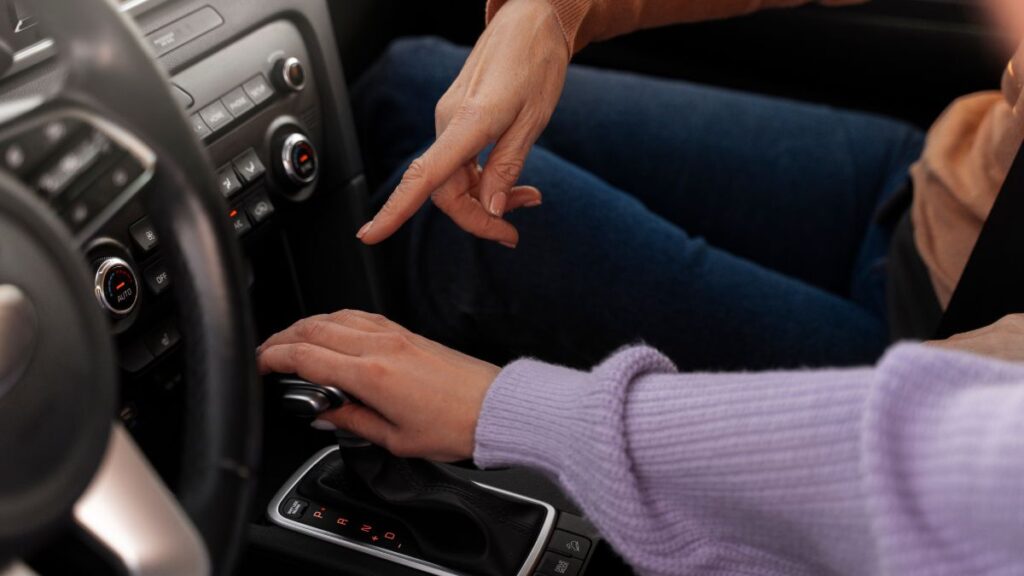
Manual transmission cars rely entirely on the driver’s timing. To switch smoothly, you press the clutch, ease off the accelerator, and guide the gearstick from 1st to 2nd in a single, fluid motion. Automatics, however, depend on sensors that monitor RPM and throttle input, selecting 2nd gear automatically when needed.
Manual Transmission: Mastering Clutch Timing
The key to success is synchronization, pressing and releasing the clutch at the right pace. Too fast, and the car jerks forward; too slow, and the clutch wears out.
Step-by-Step Process to Shift Smoothly into 2nd
- Accelerate gently in 1st gear.
- When the RPM reaches 2,000–2,500, release the accelerator.
- Press the clutch fully and move the gearstick into 2nd.
- Gradually release the clutch while adding light throttle.
This balance keeps momentum steady and prevents stalling.
Perfecting the Clutch and Throttle Coordination
Smoothly switching to 2nd gear isn’t just about timing; it’s about precision. The clutch and throttle must move in harmony to transfer power from the engine to the wheels without jerks or stalling. Many new drivers underestimate how delicate this balance is; yet, once mastered, it defines the difference between mechanical wear and effortless motion.
Role of Clutch Engagement in Smooth Transition
The clutch acts as a gatekeeper between the spinning engine and the stationary gearbox. When you depress it, power flow pauses; when you release it, the gearbox re-engages.
The goal is to release the clutch gradually while adding slight throttle input. Too fast, and the car jumps forward; too slow, and the clutch plates slip, creating friction that shortens their lifespan.
A properly timed release ensures a seamless transition, keeping your car’s momentum steady and the ride comfortable. Professionals often describe the perfect shift as one you can’t feel happening.
How to Balance Throttle While Releasing the Clutch
During the switch from 1st to 2nd, lift your left foot gently while pressing the accelerator just enough to maintain engine RPM between 1,500 and 2,000. This small overlap clutch partially released while throttle is slightly applied smooths torque transfer and avoids the classic “jerk” many beginners experience.
Over time, you’ll develop muscle memory that makes this process instinctive.
Practice Techniques to Avoid Jerky Movements
A great way to perfect this coordination is by practicing in an open space with no traffic. Shift repeatedly between 1st and 2nd at low speeds, focusing on matching the clutch release to the car’s motion. Visualize the clutch as a dimmer switch, never on/off, always gradual. The more your feet learn the rhythm, the smoother your gear shifts become.
Common Mistakes When Switching into 2nd Gear
Even experienced drivers can fall into poor shifting habits that damage transmission components over time. Understanding these mistakes is the first step toward eliminating them.
Shifting Too Early or Too Late
Shifting into 2nd too early leaves the engine struggling, commonly called lugging. This not only feels sluggish but can also cause detonation (unwanted fuel ignition) in extreme cases.
Waiting too long, on the other hand, pushes RPMs unnecessarily high, increasing engine wear. The ideal shift occurs just before the engine’s power band ends, usually between 2,000 and 2,500 RPM.
Half-Clutch Driving Issues
Riding the clutch, keeping it half-pressed during acceleration, might seem like a comfort trick in traffic, but it causes constant friction on the clutch disc. Over time, this results in overheating and glazing, leading to that familiar burnt smell many drivers notice after long city drives. Always aim for complete engagement or full disengagement, never halfway.
Sudden Acceleration or Over-Revving
Another frequent issue is pressing the throttle too aggressively during or right after the shift. The sudden surge of torque can jolt passengers and strain transmission mounts. Remember, smoothness equals skill; quickness without control only wears down your car faster.
Gear Grinding and Misalignment
If you ever hear a grinding sound when moving into 2nd, it’s a sign that the clutch wasn’t fully disengaged or the gear synchronizers are worn. Avoid forcing the gear lever; let it glide naturally. Persistent grinding may require a transmission inspection or clutch adjustment.
Troubleshooting and Diagnostics
Knowing how to identify early signs of trouble can save expensive repairs later. Here are the most common symptoms linked to poor 2nd-gear shifting.
Gear Won’t Engage or Slips Out
If the 2nd gear resists engagement or pops out during motion, the issue could lie in worn shift linkages, stretched cables, or failing synchronizers.
In manual transmissions, low or contaminated transmission fluid can also cause stiff movement. Always keep fluid levels in check and replace them as recommended.
Jerking or Hesitation After Switching
A slight shudder when releasing the clutch can result from uneven clutch wear or contamination (like oil leaks). It might also indicate weak engine mounts that fail to absorb drivetrain vibrations. A certified mechanic can quickly pinpoint which component needs attention.
Noisy Shifts or Clicking Sounds
Clicking or clunking noises while switching to 2nd could stem from loose mounts or universal joints in the driveshaft. These sounds shouldn’t be ignored; while they might seem minor, they often precede more serious transmission issues.
Effect of Road Conditions on 2nd Gear

Driving environment has a direct impact on how and when you switch into 2nd gear. Adapting your shift technique to the road surface can make a big difference in comfort and control.
Uphill and Downhill Driving
On steep inclines, delay your shift slightly to maintain torque. Shifting too early can stall the car midway, forcing an awkward restart. When descending, use 2nd gear for engine braking it slows the vehicle naturally without overusing brakes, giving you better control.
Wet or Slippery Roads
In low-traction conditions, throttle control becomes vital. Too much power when switching into 2nd may cause wheel spin. Instead, ease off the gas and release the clutch more slowly to maintain grip.
Stop-and-Go Traffic
City traffic demands constant low-speed control. Many drivers prefer to stay in 2nd gear rather than alternating between 1st and 2nd every few seconds. This approach reduces clutch wear, provided the car maintains enough rolling momentum.
Off-Road or Uneven Terrain Tips
When driving over gravel or dirt paths, 2nd gear provides smoother traction and prevents the wheels from digging into soft surfaces. The torque balance allows the car to move steadily without spinning out.
Influence of Vehicle Type on Switching 2nd
Different vehicles handle 2nd-gear transitions differently due to engine design, weight distribution, and transmission setup.
Hatchbacks and Compact Cars
These light vehicles typically shift to 2nd at lower speeds (around 10–12 mph). Because of their short gear ratios, smooth throttle application is key to avoiding abrupt surges.
Sedans and SUVs
Heavier vehicles demand slightly higher RPMs before switching, usually 13–18 mp,h to keep up torque for consistent acceleration. Many SUVs have longer gear ratios designed for steady cruising and better load handling.
Sports Cars and Performance Vehicles
Performance-tuned transmissions are optimized for rapid acceleration. Here, 2nd gear often extends up to 25 mph or more, allowing the driver to stay within the engine’s torque peak longer. Precision in throttle modulation is crucial, as even minor missteps can disrupt traction or shift balance during corner exits.
Diesel vs Petrol Engines
Diesel engines, with their high torque at low RPMs, require earlier upshifts. Petrol engines, which thrive at higher RPMs, can be revved a little longer before changing gears. Recognizing your engine’s characteristics ensures smoother transitions and optimal fuel use.
Fuel Efficiency and Engine Health
Switching to 2nd gear at the right time has a significant effect on fuel economy and engine longevity. Revving beyond necessity burns more fuel, while under-revving puts undue strain on internal components.
Maintaining moderate RPMs, typically 1,800 to 2,500, ensures clean combustion, balanced torque, and less friction inside the engine. Frequent, gentle shifting also reduces wear on the clutch and gearbox. In short, the smoother your 2nd-gear transitions, the healthier your car remains.
Advanced Gear Techniques for Perfecting 2nd Gear Shifts
Once you’ve mastered basic clutch timing, the next step is learning advanced techniques that enhance control and performance. Two of the most valuable are rev-matching and double-clutching.
Rev-matching involves briefly pressing the accelerator while downshifting to match engine speed with gearbox speed.
This eliminates drivetrain shock and produces a smooth, professional feel. For example, when dropping from 3rd to 2nd while approaching a corner, a light throttle blip synchronizes RPMs, preventing jerks or wheel lock.
Double-Clutching, on the other hand, adds an extra clutch press between gears to help older or non-synchronized transmissions engage smoothly. While modern vehicles rarely require it, practicing this technique improves your mechanical feel and overall coordination essential for performance driving or track use.
Both methods reduce gearbox strain and give drivers a deeper understanding of how their transmission behaves under different loads.
Building Confidence: The Psychological Aspect of Switching 2nd
Many beginner drivers feel hesitant about shifting early, fearing the car might stall or jerk. That hesitation is natural, but it disappears with repetition and awareness. The more you practice, the more your muscle memory takes over, allowing smoother, automatic responses.
Confidence behind the wheel grows when you stop “thinking” about every motion and start “feeling” the car. Pay attention to engine note, pedal feedback, and vehicle movement. Treat every drive as feedback training not a test. Over time, switching to 2nd becomes second nature, signaling true driving maturity.
Maintenance Tips for Long-Term Gearbox Health
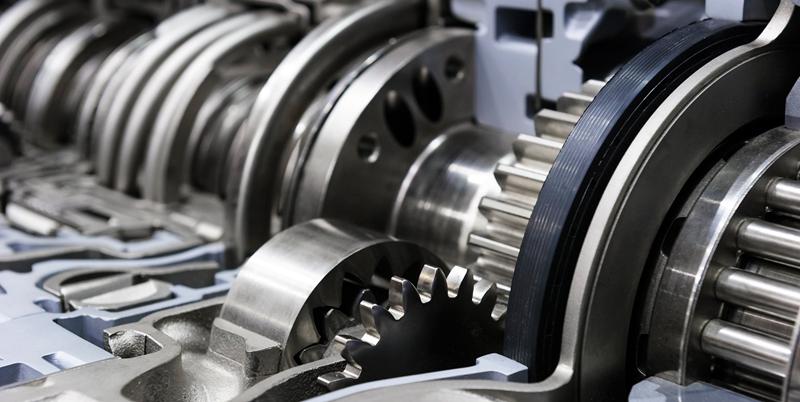
Even perfect shifting habits can’t protect a neglected gearbox. Routine care is key. Check transmission fluid levels every few months; low or dirty oil increases friction and shortens gear life. Inspect the clutch cable or hydraulic system for leaks or slack.
Replace worn mounts that cause drivetrain vibration, and avoid resting your hand on the gear lever, that pressure wears the selector forks prematurely.
Proactive maintenance ensures your 2nd-gear shifts remain crisp, responsive, and consistent for years.
Conclusion: Mastering the Art of Switching 2nd
Switching into 2nd gear might seem ordinary, but it’s the foundation of smooth, efficient driving. It’s where mechanical understanding meets driver intuition, a blend of timing, sensitivity, and awareness.
Whether you’re navigating city traffic, cruising highways, or refining your driving technique, every successful shift contributes to your vehicle’s performance and reliability.Remember: great drivers aren’t just fast, they’re smooth. Mastering Switching 2nd is the first step toward driving like one.
Read More Informative Information At Mypasokey