
Introduction
Artificial Intelligence (AI) has dramatically evolved over the past decade, moving from simple rule-based systems to sophisticated AI agents capable of autonomous decision-making. The growing complexity of modern business and technology environments demands tools that not only perform tasks but can adapt, learn, and plan over time.
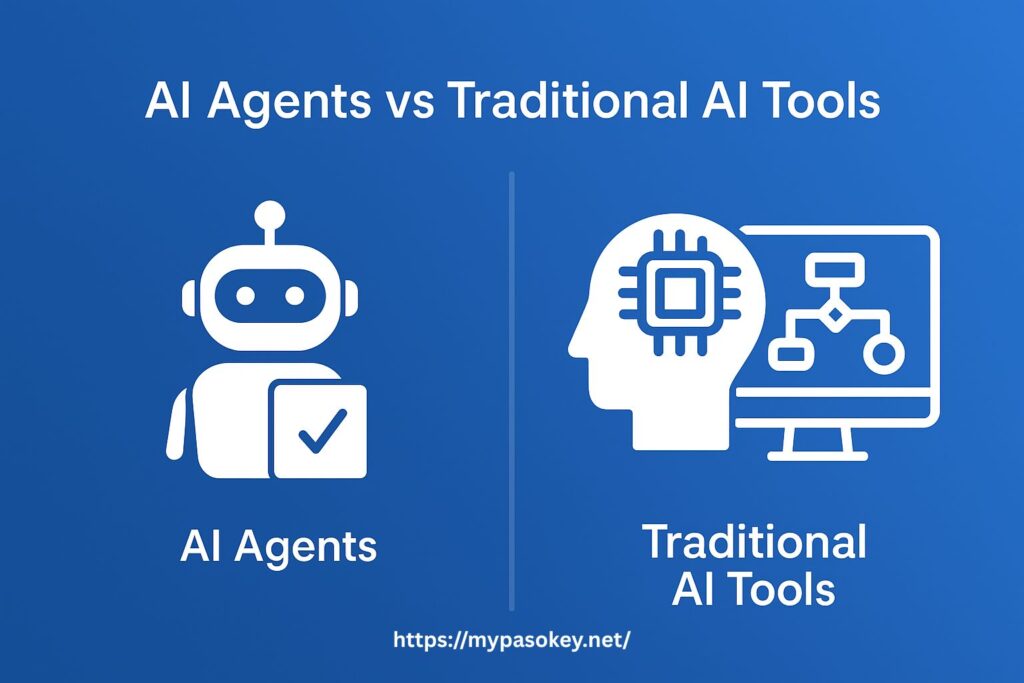
This is where the debate between AI agents and traditional AI tools comes in. While traditional AI systems excel in specific, controlled tasks, AI agents bring flexibility and autonomy to dynamic workflows. Understanding their differences is crucial for developers, businesses, and AI enthusiasts who want to leverage AI effectively.
In this article, we’ll explore how these two AI paradigms work, compare their features, and examine when one may be more suitable than the other. By the end, you’ll have a clear roadmap for choosing the right AI approach for your projects.
Understanding Traditional AI Tools
Traditional AI tools, often called traditional AI systems, are designed to execute predefined tasks with predictable results. They rely on structured rules, algorithms, and supervised learning methods. Typically, these systems are trained on historical data and follow a deterministic approach, meaning their outputs are predictable and repeatable under similar conditions. This makes them highly reliable for tasks like data classification, pattern recognition, or basic automation.
One of the core characteristics of traditional AI tools is their static nature. Once programmed, their decision-making logic remains fixed until manually updated. For instance, an AI system designed to categorize emails as spam or non-spam follows strict rules and probability thresholds. While effective, these tools often struggle when faced with tasks outside their original programming or in rapidly changing environments.
Traditional AI tools are widely used across industries. In finance, they detect fraud by identifying predefined transaction patterns. In healthcare, they help in diagnosing diseases based on historical patient data. Retail and e-commerce rely on them for inventory management and basic recommendation systems. Their simplicity, predictability, and transparency make them valuable, but these systems are limited in handling complex, multi-step, or dynamic workflows.
Strengths of Traditional AI Systems
- Predictability: Outputs are consistent and easy to verify.
- Reliability: Performs well in controlled environments with stable data.
- Transparency: Logic is easier to understand, which is critical for compliance-heavy industries.
Limitations
- Inflexibility: Struggles with tasks outside its predefined scope.
- Manual Updates Required: Adapting to new requirements often needs human intervention.
- Limited Scope: Cannot easily handle multi-step decision-making or real-time context changes.
How Traditional AI Tools Work
Traditional AI systems function based on predefined rules, algorithms, and supervised learning models. Most often, these systems are task-specific and designed to solve narrow problems. For example, a rule-based AI might follow a simple logic like: “If the customer clicks this button and spends more than $50, send a discount email.” These systems excel at efficiency when tasks are repetitive and rules are stable.
From a technical perspective, traditional AI tools operate in a stateless environment, meaning they don’t retain memory of past interactions beyond the data explicitly provided. They are also largely trigger-based, executing tasks only when certain conditions are met. While this simplicity ensures reliability, it limits the system’s ability to adapt to new patterns or handle multi-step workflows autonomously.
Understanding AI Agents
AI agents, sometimes referred to as agentic AI, represent the next generation of artificial intelligence. Unlike traditional AI tools, AI agents are designed to operate autonomously, handle dynamic workflows, and make goal-driven decisions in real time. They can plan, prioritize tasks, and adapt based on context, which makes them suitable for complex and unpredictable environments.
The fundamental difference between AI agents and traditional AI tools lies in their approach to problem-solving. While traditional AI executes fixed instructions, AI agents learn from interactions, maintain memory, and adjust their behavior. For example, an AI agent managing a supply chain can anticipate delays, communicate with multiple systems, and dynamically reroute shipments without human intervention.
Core Characteristics of AI Agents
- Autonomy: Agents can make decisions without constant human supervision.
- Adaptability: They adjust strategies based on changing circumstances or feedback.
- Memory & Context Awareness: Agents remember past actions and consider historical context for decision-making.
- Goal-Oriented: Instead of just executing tasks, they pursue objectives and optimize outcomes.
- Integration Capability: Can interact with multiple tools, APIs, and real-world systems seamlessly.
How AI Agents Work
Technically, AI agents are stateful and dynamic systems. They maintain context, track goals, and execute tasks in a multi-step workflow. Most modern AI agents leverage large language models (LLMs), reinforcement learning, and planning algorithms to simulate human-like decision-making.
For instance, a customer support AI agent can understand a user query, access relevant databases, generate an appropriate response, and escalate issues if necessary, all autonomously. Unlike traditional AI systems, the agent can adapt to unexpected inputs, learn from interactions, and continuously improve its responses over time.
Typical Use Cases of AI Agents
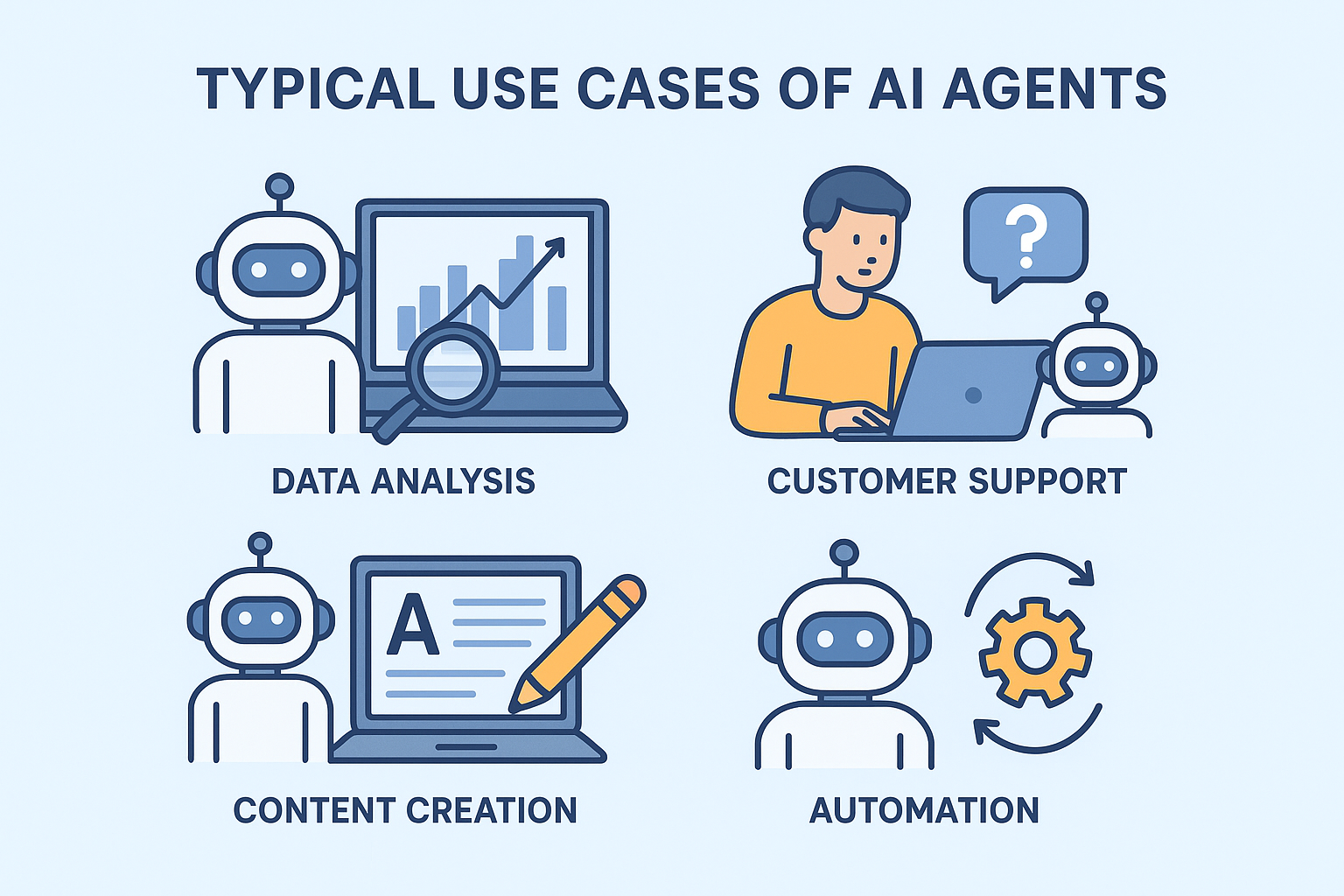
AI agents are increasingly being adopted in industries requiring dynamic decision-making and complex workflow orchestration. Common applications include:
- Customer Support Automation: Agents handle multi-step inquiries, route requests, and provide personalized responses.
- Enterprise Workflow Management: Agents optimize logistics, scheduling, and cross-departmental tasks.
- Data Analysis & Decision Support: Agents synthesize insights from multiple sources to assist strategic decision-making.
- Personal Productivity Tools: Agents manage calendars, emails, and task prioritization autonomously.
These use cases highlight how AI agents extend far beyond the limitations of traditional AI tools, offering both flexibility and intelligence
You Might also Like Realifecamù
Strengths & Benefits of AI Agents
- Flexibility: Can handle unpredictable or changing tasks.
- Autonomy: Reduces the need for constant human intervention.
- Efficiency: Streamlines complex multi-step workflows.
- Integration: Easily connects with APIs and multiple software systems.
- Continuous Learning: Improves performance over time through interaction.
Limitations & Risks of AI Agents
Despite their capabilities, AI agents are not without challenges:
- Unpredictable Behavior: Decisions may vary in different contexts, making verification harder.
- Complexity: Development, debugging, and maintenance are more demanding than traditional systems.
- Governance Needs: Monitoring, auditing, and human oversight are crucial for sensitive applications.
- Security & Compliance Risks: Integration with external systems can introduce vulnerabilities.
Key Differences Between AI Agents and Traditional AI Tools
While both AI agents and traditional AI systems fall under the umbrella of artificial intelligence, their approaches, capabilities, and applications differ significantly. Traditional AI tools are designed to execute predefined, narrow tasks reliably. They rely on static algorithms and deterministic rules.
In contrast, AI agents are autonomous, adaptive, and goal-driven. They operate in dynamic environments, make decisions based on context, and can handle multi-step workflows without human intervention. Understanding these distinctions is essential for businesses and developers who want to implement AI effectively, ensuring they select the right tool for the task at hand.
Autonomy and Initiative
One of the clearest distinctions between AI agents and traditional AI tools is autonomy. Traditional AI systems wait for input or triggers to execute predefined instructions. They cannot act independently beyond their programming.
AI agents, however, take initiative, plan steps to achieve objectives, and can operate without continuous human oversight. For example, an AI agent can proactively monitor a project workflow, identify bottlenecks, and adjust tasks automatically, while a traditional AI system would only respond to a specific command or query.
Adaptability and Learning Capability
Traditional AI systems are rigid; they perform well in controlled, predictable environments but struggle when requirements change. AI agents, powered by machine learning and reinforcement learning algorithms, can adapt to evolving scenarios.
They learn from past interactions and improve performance over time. This adaptability makes them ideal for complex environments like logistics optimization, dynamic customer support, or real-time decision-making, where traditional AI would require frequent manual updates.
Workflow Complexity and Multi-Step Tasks
Traditional AI tools are generally single-step, task-oriented. For instance, a predictive model in finance might flag fraudulent transactions but cannot simultaneously coordinate remediation, customer notifications, and reporting.
AI agents excel at multi-step workflows, orchestrating multiple tasks across systems, making decisions at each step, and adjusting as new information becomes available. This makes AI agents indispensable for the automation of end-to-end processes.
Memory and Context Awareness
A fundamental limitation of traditional AI systems is that they are often stateless. They operate on the data given at the moment and do not retain memory of previous interactions unless explicitly programmed. AI agents, in contrast, maintain contextual awareness.
They remember past actions, understand the current state of the environment, and use this knowledge to make better decisions. This ability to maintain memory enables AI agents to handle tasks like personalized customer interactions, multi-step analytics, and adaptive workflow management.
Integration and Tool Use
AI agents are designed to integrate seamlessly with other software, APIs, and services, whereas traditional AI tools are often isolated and limited to specific tasks.
For example, a marketing AI agent can pull data from a CRM, analyze social media trends, and automatically adjust ad campaigns across platforms. Traditional AI tools could perform some of these functions separately but lack the coordination and orchestration capabilities inherent in agentic AI.
Predictability vs Flexibility
Traditional AI tools are highly predictable, producing consistent outputs under similar conditions. This is beneficial for compliance, reporting, and high-stakes operations. AI agents, however, trade some predictability for flexibility and intelligence. While outputs can vary based on context or evolving conditions, the system can handle unforeseen challenges more effectively than a rigid traditional AI system.
Human Oversight and Control
Traditional AI systems usually require less monitoring because their actions are predictable. AI agents, being autonomous and adaptive, often require a human-in-the-loop or human-on-the-loop oversight strategy, especially in sensitive areas like finance, healthcare, or legal decision-making. Effective governance ensures that AI agents act safely, ethically, and in alignment with organizational objectives.
Architectural and Technical Differences
From a technical standpoint, the architectures of AI agents and traditional AI tools are markedly different. Traditional AI systems are rule-based or model-driven with a linear execution flow. They do not maintain a state beyond what is explicitly stored.
AI agents, by contrast, are modular, dynamic, and goal-driven. They often leverage large language models (LLMs), reinforcement learning, and planning algorithms to perform tasks autonomously. These architectures allow AI agents to interact with multiple systems, maintain memory, and optimize actions toward achieving complex goals.
Static Logic vs Dynamic Architectures
Traditional AI tools rely on static logic, where every action is defined by rules or trained models. Modifying behavior requires reprogramming or retraining. AI agents utilize dynamic architectures, adjusting their behavior based on real-time data, context, and feedback. This enables continuous learning and adaptation without constant human intervention.
Stateless vs Stateful Systems
Traditional AI systems are mostly stateless, executing tasks independently without retaining historical knowledge. AI agents are stateful, meaning they can maintain memory of past events and decisions. This statefulness allows agents to handle sequential decision-making, complex workflows, and personalized interactions in ways traditional AI cannot.
Single-Task vs Multi-Agent Systems
Traditional AI tools typically perform single-task functions, solving specific problems efficiently but in isolation. AI agents often operate as multi-agent systems, collaborating with other agents or software tools to achieve broader objectives. For example, in supply chain management, multiple AI agents may coordinate to optimize inventory, transportation, and demand forecasting simultaneously.
Use Cases and Applications
Understanding the practical applications of each system helps determine which is right for a given scenario.
Traditional AI Tool Use Cases
- Predictive analytics and pattern recognition
- Fraud detection in finance
- Basic recommendation systems in e-commerce
- Rule-based automation tasks in operations
These systems perform well in stable, narrowly defined tasks, where outputs need to be predictable and verifiable.
AI Agent Use Cases
- Customer support automation with context retention
- Enterprise workflow optimization (logistics, scheduling, coordination)
- Adaptive marketing and ad campaign management
- Data analysis and automated reporting with decision support
AI agents excel when tasks are complex, multi-step, and dynamic, requiring adaptation and coordination across multiple systems.
Hybrid Approaches – When Both Co-Exist
In many organizations, hybrid approaches are common. Traditional AI systems handle stable, repetitive tasks, while AI agents manage dynamic, multi-step workflows. This allows businesses to leverage the predictability of traditional AI and the adaptability of AI agents simultaneously, optimizing efficiency and reducing risks.
Choosing Between AI Agents and Traditional AI Tools
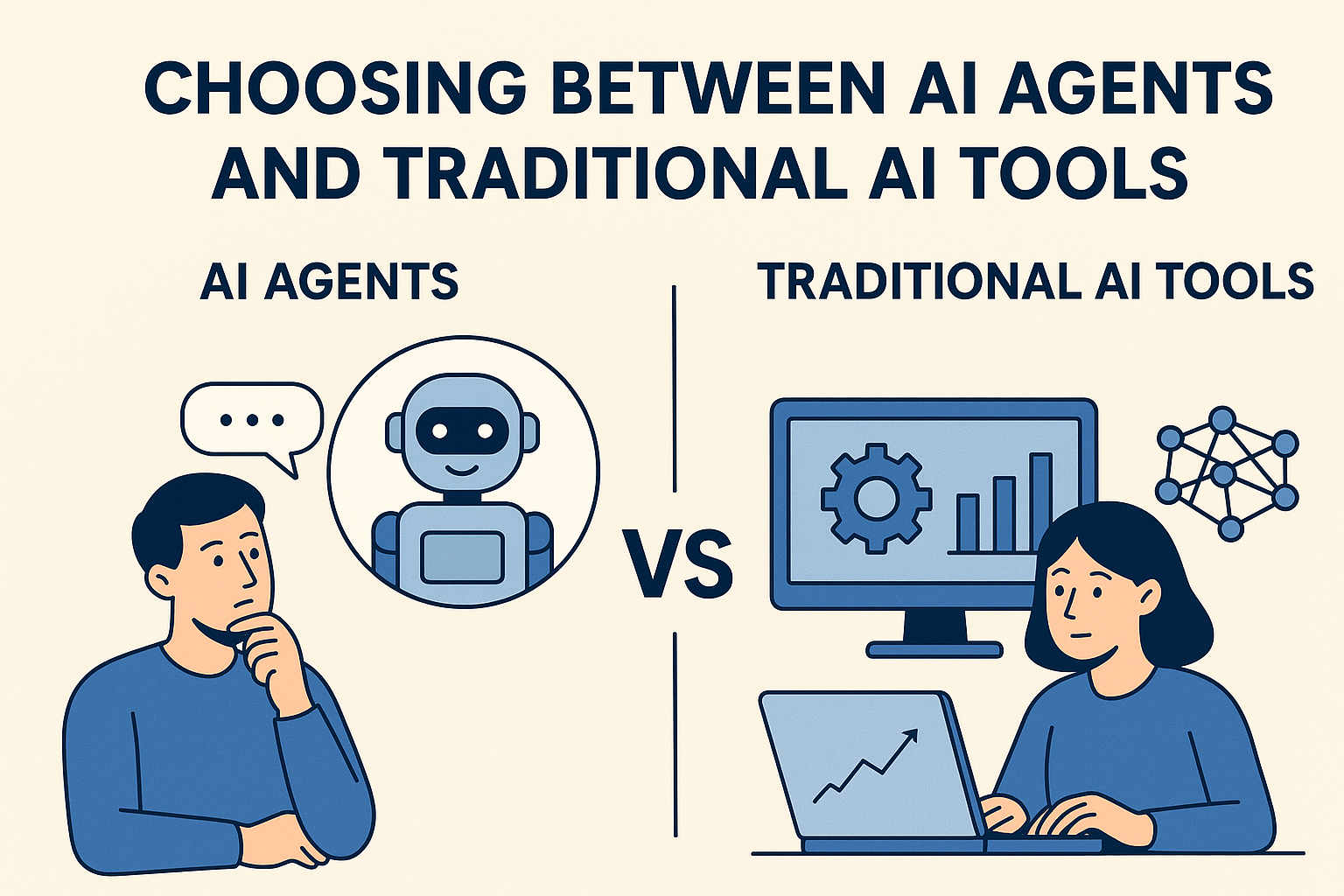
Selecting the right AI approach requires evaluating task complexity, environment stability, scalability, and governance requirements. Traditional AI systems are ideal for predictable, single-step tasks with limited variability. AI agents are suited for dynamic, multi-step workflows, where adaptability and integration across systems are critical.
When making a choice:
- Assess task complexity: single-step vs multi-step
- Evaluate environment stability: static vs dynamic
- Consider resource availability: development, maintenance, and monitoring needs
- Examine compliance and security requirements
Businesses can maximize ROI by matching AI capabilities to workflow requirements. For instance, repetitive invoice processing might use traditional AI, while dynamic supply chain coordination benefits from AI agents.
You Might also Like Milyom
Cost-Benefit Considerations
Traditional AI systems are often cheaper to deploy and easier to maintain due to simplicity. AI agents, while more expensive to develop and integrate, deliver higher long-term value by automating complex, multi-step, and adaptive processes. Decision-makers must weigh initial cost against long-term efficiency gains.
Challenges, Risks, and Security Considerations
While AI agents bring remarkable autonomy and adaptability, they also introduce new challenges and risks compared to traditional AI systems. Traditional AI tools are predictable and transparent, making them easier to audit and govern.
AI agents, being autonomous and stateful, can make decisions that are difficult to trace or reproduce. This unpredictability can be a concern in finance, healthcare, or legal applications, where mistakes may have serious consequences.
Security and compliance are also critical. AI agents often interact with multiple APIs, tools, and databases, which can expose sensitive information if not properly managed. Proper governance, monitoring, and human oversight are essential to mitigate these risks. In contrast, traditional AI systems, with their deterministic behavior and narrow scope, tend to have fewer vulnerabilities but are limited in handling complex workflows.
Explainability and Governance
One of the biggest challenges with AI agents is explainability. Unlike traditional AI systems, which rely on rules and clearly defined algorithms, agentic AI makes decisions using dynamic models and contextual memory. Ensuring that an AI agent’s actions are understandable to humans is essential for compliance, trust, and accountability. Organizations should implement logging, auditing, and human-in-the-loop monitoring to ensure AI agents operate safely and ethically.
Future Outlook of AI Agents and Traditional AI Tools
The future of AI is increasingly agentic. AI agents are expected to become more sophisticated, with improved memory, reasoning capabilities, and integration with real-world systems. Hybrid approaches, combining the predictability of traditional AI systems with the flexibility of AI agents, will become standard in many industries.
In the next few years, we can expect:
- Smarter multi-agent systems coordinating complex workflows
- Greater adoption in enterprise operations, customer support, and data-driven decision-making
- Regulatory frameworks focused on safety, transparency, and ethical AI use
Traditional AI systems will continue to be valuable for predictable, single-step tasks, but the growing need for adaptive, autonomous solutions will make AI agents the centerpiece of next-generation AI strategies.
Common Misconceptions About AI Agents
Several misconceptions often confuse decision-makers and developers:
- AI agents are not “magic AI.” They require well-defined objectives and proper training to function effectively.
- Traditional AI tools are not obsolete. They remain highly effective for stable, narrow tasks.
- Autonomy doesn’t mean zero oversight. Even the most advanced AI agents need human governance to prevent errors and ensure compliance.
Clarifying these misconceptions helps organizations make informed choices and prevents misaligned expectations.
Best Practices for Implementing AI Agents
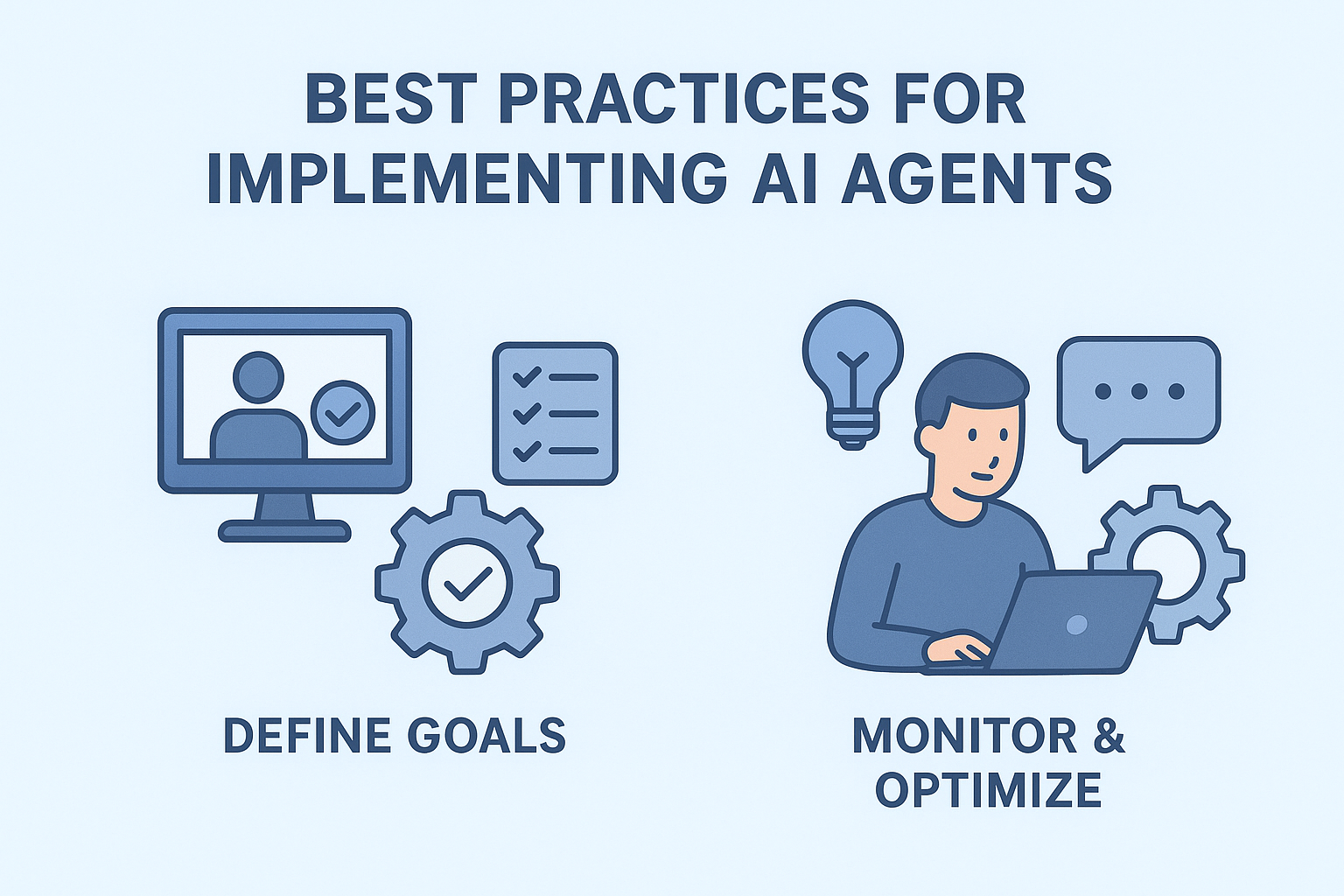
To maximize the benefits of AI agents while minimizing risks:
- Start with clearly defined objectives and scope.
- Maintain human-in-the-loop oversight for critical decisions.
- Implement monitoring, logging, and auditing mechanisms.
- Use hybrid approaches when appropriate, combining traditional AI systems for stable tasks with AI agents for adaptive workflows.
- Continuously update and refine agent behavior based on feedback and new data.
Following these best practices ensures that AI agents deliver efficiency, adaptability, and safety in real-world applications.
Conclusion
AI agents and traditional AI systems each have their unique strengths and limitations. Traditional AI tools excel in predictable, well-defined tasks, offering transparency, stability, and low-maintenance operation. AI agents, on the other hand, shine in dynamic, multi-step workflows, providing adaptability, autonomy, and integration across complex systems.
Choosing the right approach depends on task complexity, workflow requirements, risk tolerance, and resource availability. By understanding the differences, leveraging hybrid strategies, and following best practices, organizations can harness the full potential of AI to drive innovation, efficiency, and smarter decision-making.
The future is agentic, but the foundation of AI still rests on the reliable and efficient traditional systems. Combining both wisely ensures a balanced, effective AI strategy that meets both current and future needs.
Read More Informative Information At Mypasokey