
Role of AI in SaaS Product Development | Complete Guide
AI-Driven SaaS Transformation
Artificial Intelligence is no longer an optional enhancement in SaaS; it has become a foundational layer that redefines how products are built, delivered, and scaled. Modern SaaS platforms increasingly rely on AI to automate processes, analyze vast datasets, and generate actionable insights in real time. This shift enables businesses to move from reactive software models to proactive, intelligent systems. Instead of simply offering tools, SaaS products now deliver outcomes. AI augments every layer of the application, from backend logic to user-facing experiences, creating smarter, faster, and more adaptive software ecosystems.
Architectural Shift Toward AI-Native SaaS
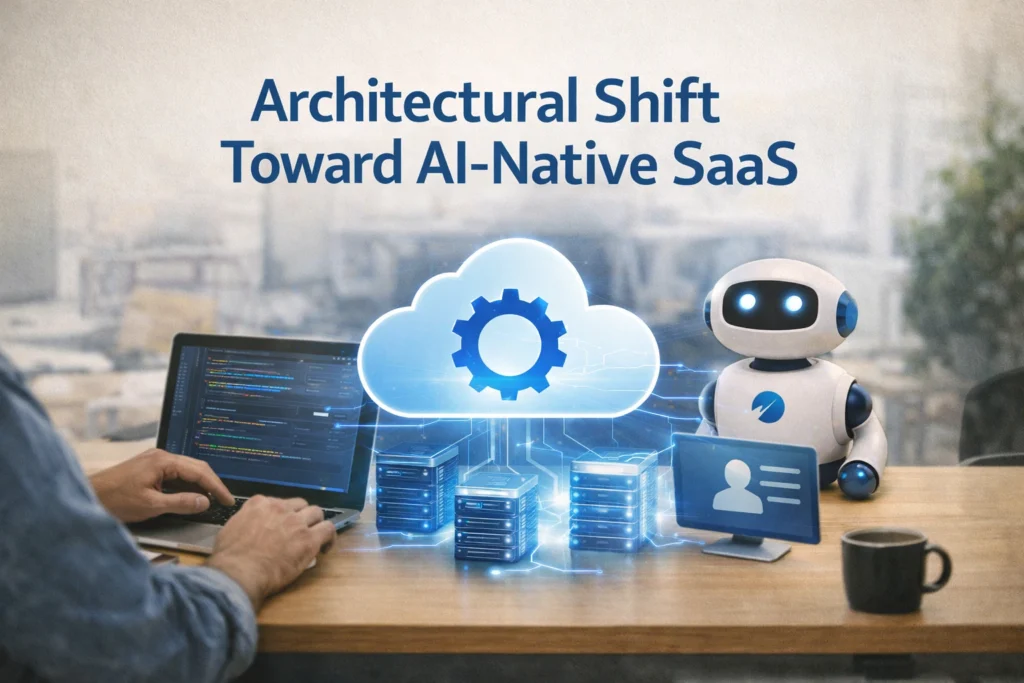
The transition from traditional SaaS to AI-native architecture represents a major technological leap. Instead of integrating AI as an add-on, modern platforms are being designed with intelligence at their core. This means embedding machine learning models, data pipelines, and real-time analytics directly into the system architecture. As a result, SaaS products become more scalable and responsive to user behavior. AI-native systems can continuously learn, adapt, and optimize without manual intervention. This architectural shift not only improves performance but also enables companies to innovate faster and deliver highly personalized user experiences at scale.
You Might also Like: Grammarly AI: Upgrade Your Writing Skills in 2026
Intelligent SaaS Evolution Framework
The evolution of SaaS through AI follows a structured framework that combines data maturity, automation, and continuous learning. Initially, SaaS platforms relied heavily on static workflows and manual configurations. With AI integration, these systems evolve into intelligent platforms capable of self-optimization. Data becomes the central driver, feeding algorithms that improve functionality over time. This framework emphasizes iterative learning, where user interactions continuously refine system performance. As SaaS products mature within this model, they shift from basic service delivery to predictive and autonomous systems, enabling businesses to anticipate user needs and respond proactively.
Foundational AI Stack in SaaS
A robust AI stack is essential for building intelligent SaaS products that can scale efficiently and deliver consistent performance. This stack typically includes data collection systems, processing pipelines, machine learning frameworks, and deployment infrastructure. Each layer works together to transform raw data into meaningful insights and automated actions. Without a strong foundation, AI implementation can become fragmented and ineffective. A well-structured AI stack ensures seamless integration across the product lifecycle, enabling real-time decision-making, improved accuracy, and continuous optimization. It ultimately serves as the backbone of any successful AI-powered SaaS platform.
Advanced ML Architectures
Advanced machine learning architectures form the core of intelligent SaaS systems by enabling accurate predictions and automation. These models process large datasets to identify patterns and trends that humans might miss. Techniques like deep learning and neural networks allow SaaS platforms to continuously improve performance. As models evolve, they deliver more precise outputs, helping businesses optimize operations and enhance user experiences.
Contextual NLP Engines
Natural Language Processing engines allow SaaS platforms to understand and respond to human language in a meaningful way. These systems go beyond basic keyword recognition by interpreting context, sentiment, and intent. As a result, applications can power chatbots, virtual assistants, and smart search features. This improves user interaction, making software more intuitive, responsive, and aligned with real-world communication patterns.
Predictive & Prescriptive Models
Predictive and prescriptive models enable SaaS platforms to move beyond data analysis into actionable intelligence. The Predictive models forecast future outcomes based on historical data, while prescriptive models recommend optimal actions. Together, they help businesses make informed decisions quickly. This capability is especially valuable in areas like customer retention, demand forecasting, and operational planning, where proactive strategies drive competitive advantage.
AI-Orchestrated SaaS Lifecycle
AI is transforming the entire SaaS product lifecycle by introducing automation and intelligence at every stage. From initial ideation to deployment and ongoing optimization, AI-driven tools streamline processes and reduce manual effort. During development, AI assists with coding and testing, while in production, it monitors performance and predicts issues before they occur. This orchestration ensures continuous improvement and faster time-to-market. By integrating AI across the lifecycle, SaaS companies can build more resilient, adaptive, and high-performing products that evolve in response to user behavior and market demands.
Data-Driven Product Discovery
AI has fundamentally changed how SaaS companies approach product discovery by turning raw data into actionable insights. Instead of relying solely on assumptions or limited feedback, teams can now analyze user behavior, market trends, and competitor activity in real time. This enables more informed decision-making during the early stages of product development. AI tools can identify gaps in the market, highlight user pain points, and suggest features that are more likely to succeed. As a result, product teams can reduce risk, prioritize effectively, and build solutions that align closely with actual user needs and expectations.
Hyper-Personalized UX Engineering
User experience is no longer one-size-fits-all, and AI plays a crucial role in delivering highly personalized interactions. SaaS platforms can now adapt interfaces, content, and recommendations based on individual user behavior and preferences. This level of personalization increases engagement and retention by making the product feel more relevant to each user. AI continuously learns from user interactions, refining the experience over time. From dynamic dashboards to personalized onboarding flows, hyper-personalized UX ensures that users receive value faster, leading to improved satisfaction and long-term loyalty.
Autonomous Code Generation Systems
AI-powered code generation is transforming the development process by reducing manual effort and accelerating delivery timelines. Modern tools can assist developers by suggesting code snippets, generating entire functions, and even identifying potential errors before execution. This not only improves productivity but also enhances code quality and consistency. Autonomous systems learn from existing codebases and best practices, enabling them to produce optimized solutions. As a result, development teams can focus more on innovation and problem-solving rather than repetitive coding tasks, ultimately speeding up the entire SaaS product development lifecycle.
Cognitive QA & Self-Healing Testing
Quality assurance has evolved significantly with the integration of AI, enabling smarter and more efficient testing processes. AI-driven testing tools can automatically generate test cases, identify bugs, and adapt to changes in the application. This reduces the need for manual testing and ensures faster detection of issues. Self-healing testing systems can even update test scripts when the application changes, minimizing maintenance efforts. This approach improves accuracy, reduces downtime, and ensures a more stable product. As SaaS platforms grow in complexity, cognitive QA becomes essential for maintaining high performance and reliability.
AI-Driven DevOps Intelligence
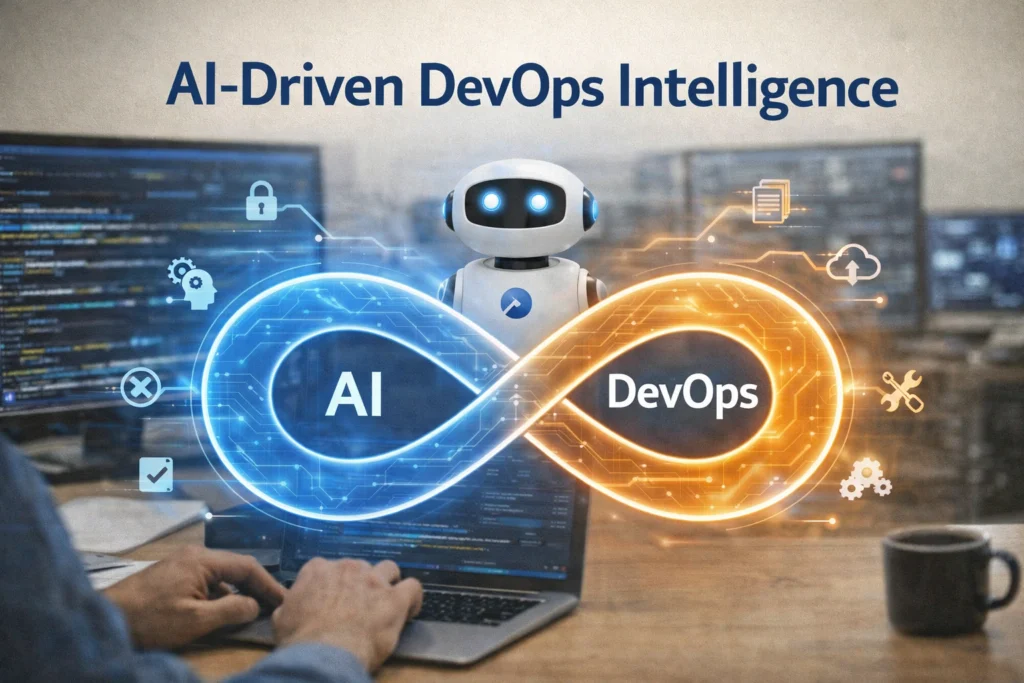
AI is enhancing DevOps practices by introducing predictive insights and automation into deployment and operations. Intelligent monitoring systems can detect anomalies, predict potential failures, and recommend corrective actions before issues escalate. This proactive approach reduces downtime and improves system reliability. AI also optimizes resource allocation by analyzing usage patterns and adjusting infrastructure accordingly. By integrating AI into DevOps, SaaS companies can achieve faster release cycles, improved performance, and more efficient operations, ultimately delivering a better experience for users while reducing operational costs.
You Might also Like: Onnilaina: Meaning, Origins & Fintech Impact
Strategic Value of AI in SaaS
Beyond technical improvements, AI provides significant strategic value that helps SaaS companies stay competitive in a rapidly evolving market. It enables organizations to make smarter decisions, optimize operations, and unlock new revenue streams. AI-driven insights allow businesses to understand customer behavior more deeply and respond with precision. This creates opportunities for innovation and differentiation. Companies that effectively leverage AI can scale faster, adapt to market changes, and deliver superior value to their customers, positioning themselves as leaders in the SaaS industry.
Operational Intelligence
Operational intelligence powered by AI allows SaaS companies to monitor and optimize their systems in real time. By analyzing performance metrics and user activity, AI can identify inefficiencies and recommend improvements. This leads to better resource utilization, reduced costs, and enhanced system performance. It also enables teams to respond quickly to issues, ensuring smooth and uninterrupted operations across the platform.
Decision Augmentation
AI enhances human decision-making by providing data-driven insights and recommendations. Instead of relying solely on intuition, business leaders can use AI to analyze trends, forecast outcomes, and evaluate different scenarios. This improves accuracy and reduces uncertainty in strategic planning. Decision augmentation empowers teams to make faster, more informed choices, ultimately driving better business outcomes and long-term growth.
AI-Led Customer Experience Orchestration
Artificial Intelligence is redefining customer experience in SaaS by enabling real-time, intelligent interactions across multiple touchpoints. Instead of static support systems, AI-driven platforms can anticipate user needs, deliver instant responses, and guide users through personalized journeys. Technologies like chatbots, recommendation engines, and behavioral analytics work together to create seamless experiences. This orchestration ensures that every interaction feels relevant and timely. As a result, customers experience higher satisfaction, reduced friction, and stronger engagement, while businesses benefit from improved retention rates and deeper insights into user behavior.
Complexity & Risk in AI Integration
While AI offers significant advantages, integrating it into SaaS products introduces notable complexity and risk. From data privacy concerns to model bias and system transparency, companies must address multiple challenges. AI systems require large volumes of high-quality data, and managing this data responsibly is critical. Additionally, poorly trained models can produce inaccurate or biased outcomes, impacting user trust. Integration with existing systems can also be technically demanding. To succeed, organizations must implement robust governance frameworks, ensure compliance with regulations, and prioritize ethical AI practices throughout the development process.
Next-Gen AI SaaS Trajectories
The future of SaaS lies in increasingly intelligent and autonomous systems that go beyond traditional functionality. Emerging trends include AI-native platforms, multimodal interfaces, and self-optimizing applications that continuously learn from user interactions. These next-generation systems will not only respond to user inputs but also anticipate needs and take proactive actions. As AI technology advances, SaaS products will become more adaptive, context-aware, and capable of delivering highly personalized experiences at scale. This evolution will reshape how businesses operate and how users interact with software in the coming years.
Conclusion
Artificial Intelligence has fundamentally transformed SaaS product development, shifting it from static, feature-based solutions to intelligent, adaptive ecosystems. From product discovery and UX personalization to automated development, testing, and DevOps, AI enhances every stage of the lifecycle. It empowers businesses to build smarter products, make data-driven decisions, and deliver highly personalized user experiences at scale. While challenges such as data privacy, integration complexity, and ethical concerns remain, the long-term benefits far outweigh the risks. Companies that strategically embrace AI will not only improve efficiency and innovation but also position themselves for sustained growth in an increasingly competitive SaaS landscape.
Read More Informative Information At Mypasokey