
The Evolution of 5G & Beyond: 6G Future, Trends, and Innovations
Evolution of Mobile Networks
Mobile networks have come a long way from simple voice calls to powering today’s hyper-connected digital world. Each generation of wireless technology was designed to solve a specific problem better voice quality, faster data, or more reliable connectivity. What started as basic analog communication has now evolved into intelligent, high-speed networks capable of supporting billions of devices simultaneously. Understanding this evolution is important because it explains how we arrived at 5G and why future innovations like 6G are even possible. It’s not just about speed it’s about transforming how humans and machines interact.
From 1G to 4G
The journey from 1G to 4G laid the foundation for everything we experience today. 1G introduced analog voice calls, while 2G digitized communication and enabled SMS. With 3G, mobile internet became usable, allowing basic browsing and emails. Then came 4G LTE, which revolutionized mobile connectivity with high-speed internet, video streaming, and app ecosystems. Each generation improved speed, capacity, and reliability, setting the stage for 5G’s breakthrough innovations. Without these earlier advancements, today’s connected lifestyle wouldn’t exist.
Introduction to 5G Technology
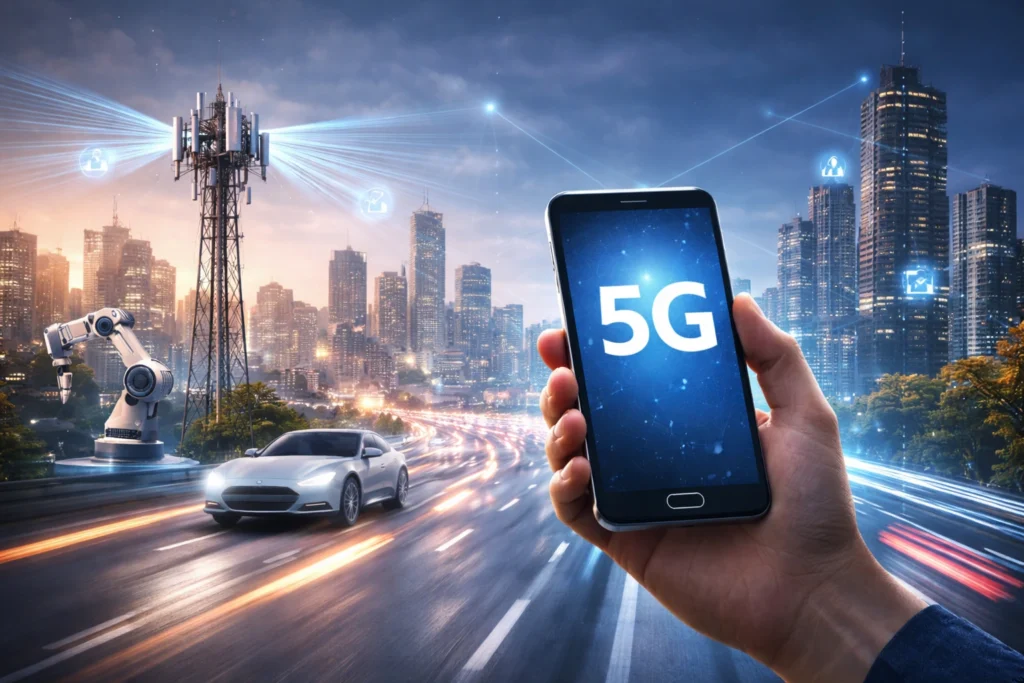
5G technology represents a major leap forward in wireless communication, designed to meet the demands of a data-driven world. Unlike previous generations, 5G is not just about faster internet it’s about enabling entirely new experiences. From ultra-low latency to massive device connectivity, 5G supports technologies like smart cities, autonomous vehicles, and the Internet of Things. It operates across multiple frequency bands and uses advanced infrastructure to deliver consistent performance. Essentially, 5G transforms networks from communication tools into platforms for innovation, unlocking possibilities that were once considered futuristic.
You might also like: Pantagonar: The Ultimate Platform for Online Productivity
Key Features of 5G
One of the most defining aspects of 5G is its ability to deliver ultra-fast speeds combined with extremely low latency. This means users can download large files in seconds and experience near-instant communication between devices. Another important feature is its ability to support a massive number of connected devices simultaneously, making it ideal for IoT ecosystems. Additionally, 5G networks are more reliable and efficient, offering better performance even in crowded areas. These features collectively make 5G a game-changer across multiple industries.
Core Technologies Behind 5G
At the heart of 5G lies a combination of advanced technologies that work together to deliver its powerful capabilities. Innovations such as massive MIMO increase network capacity by using multiple antennas, while beamforming ensures signals are directed precisely where needed. Additionally, millimeter wave spectrum enables extremely high data speeds, and network slicing allows operators to create customized virtual networks for different use cases. These technologies are not just upgrades they represent a complete redesign of how wireless networks operate, making 5G more flexible, efficient, and scalable than ever before.
Types of 5G Networks
5G networks are categorized into three main types based on their frequency bands: low-band, mid-band, and high-band. Low-band 5G offers wide coverage but relatively lower speeds, making it suitable for rural areas. Mid-band provides a balance between speed and coverage, making it the most widely used. High-band, also known as millimeter wave, delivers ultra-fast speeds but has a limited range. Understanding these types helps explain why 5G performance can vary depending on location and infrastructure.
5G Real World Applications
5G is not just a theoretical advancement it is already transforming real-world scenarios across various industries. From enabling remote healthcare services to powering smart cities and enhancing entertainment experiences, its impact is widespread. Businesses are leveraging 5G to improve efficiency, reduce costs, and create innovative services. Consumers, on the other hand, benefit from faster streaming, seamless gaming, and improved connectivity. As adoption continues to grow, the range of 5G applications will expand even further, reshaping everyday life in ways we are only beginning to understand.
5G in the Healthcare Sector
In the healthcare sector, 5G is opening up new possibilities that were previously unimaginable. It enables real-time remote consultations, allowing doctors to diagnose and treat patients from anywhere. Advanced applications like remote surgery rely on ultra-low latency to ensure precision and safety. Additionally, wearable devices powered by 5G can continuously monitor patient health and send real-time data to medical professionals. This not only improves patient outcomes but also makes healthcare more accessible, especially in remote or underserved areas.
Benefits of 5G Technology
The benefits of 5G technology go far beyond faster internet speeds, making it a true game-changer for both consumers and businesses. One of the biggest advantages is ultra-low latency, which allows real-time communication between devices, critical for applications like autonomous vehicles and remote surgery. It also offers higher bandwidth, enabling seamless streaming, gaming, and cloud-based services. Additionally, 5G improves network efficiency and supports a massive number of connected devices simultaneously. This makes it ideal for smart environments, where everything from homes to entire cities can operate in a connected ecosystem.
Challenges in 5G Deployment
Despite its advantages, deploying 5G comes with several challenges that cannot be ignored. One major issue is the high cost of infrastructure, as it requires a dense network of small cells and upgraded equipment. Coverage limitations, especially in rural or remote areas, also slow down widespread adoption. Additionally, there are concerns around cybersecurity, as more connected devices increase potential vulnerabilities. Regulatory hurdles and spectrum allocation further complicate deployment. Overcoming these challenges will require collaboration between governments, telecom companies, and technology providers to ensure a smooth and secure rollout.
Global 5G Adoption Trends
The adoption of 5G is rapidly expanding across the globe, but the pace varies significantly by region. Developed countries are leading the rollout, investing heavily in infrastructure and innovation. Meanwhile, developing nations are gradually catching up as costs decrease and technology becomes more accessible. Industries such as manufacturing, healthcare, and transportation are among the early adopters, leveraging 5G to improve efficiency and productivity. As more countries embrace this technology, global connectivity will become more seamless, creating new opportunities for economic growth and digital transformation on an unprecedented scale.
What is 5G Advanced
5G-Advanced is the next phase in the evolution of 5G, designed to enhance its capabilities and bridge the gap toward future technologies like 6G. It builds on existing 5G infrastructure by introducing improvements in speed, energy efficiency, and network intelligence. This phase focuses on integrating artificial intelligence into network operations, enabling smarter and more adaptive systems. 5G-Advanced also aims to support more complex use cases, such as extended reality and industrial automation, making networks more responsive and capable of handling future demands.
Introduction to 6G Technology
As the world continues to demand faster and smarter connectivity, the concept of 6G technology is already gaining attention. Expected to emerge around 2030, 6G aims to take everything 5G offers to the next level. It will focus on ultra-high speeds, near-zero latency, and intelligent network systems that can adapt in real time. Beyond just connectivity, 6G is expected to enable entirely new experiences, such as immersive virtual environments and advanced human-machine interaction. This next generation represents a shift toward fully integrated digital and physical worlds.
Key Features of 6G
6G technology is expected to introduce groundbreaking features that go far beyond current capabilities. One of its main highlights will be extremely high data speeds, potentially reaching terabits per second. It will also feature advanced AI-driven networks that can self-optimize and adapt automatically. Another key aspect is ultra-low latency, enabling real-time interactions at an unprecedented level. Additionally, 6G will support advanced applications like holographic communication and immersive experiences, redefining how people connect and interact in the digital world.
Future Beyond 6G Networks
Looking beyond 6G, the future of connectivity is expected to become even more integrated with everyday life. Networks may evolve into fully intelligent systems that seamlessly connect humans, machines, and environments. Technologies like quantum communication and advanced AI could redefine how data is transmitted and processed. The focus will shift from just speed and connectivity to creating meaningful, context-aware experiences. As innovation continues, the line between the digital and physical worlds will blur, opening up possibilities that are currently beyond imagination.
5G vs 6G Key Differences
While 5G has already transformed connectivity, 6G is expected to push boundaries even further. The key difference lies in performance and intelligence. 5G focuses on high speed, low latency, and massive connectivity, while 6G aims for near-instant communication and AI-native networks. Data speeds in 6G could be significantly higher, enabling real-time immersive experiences. Additionally, 6G will likely integrate advanced technologies like terahertz communication and intelligent environments. In simple terms, 5G enhances connectivity, whereas 6G will redefine how networks think, learn, and interact with users.
Holographic Communication
Holographic communication is one of the most exciting potential use cases of 6G technology. It will allow people to interact in fully immersive 3D environments, making virtual meetings feel like real-life interactions. Unlike traditional video calls, holograms can display depth, motion, and spatial presence. This could revolutionize industries such as education, healthcare, and remote collaboration. With ultra-fast speeds and near-zero latency, 6G networks will make these experiences smooth and realistic, bringing a new dimension to human communication.
Tactile Internet
The concept of the tactile internet goes beyond seeing and hearing it introduces the sense of touch into digital communication. With extremely low latency, users will be able to control devices remotely and receive real-time physical feedback. This technology has huge potential in areas like remote surgery, robotics, and industrial automation. Imagine a doctor performing surgery from another country with precise control and immediate response. 6G will make such applications more reliable and efficient, transforming how humans interact with machines.
Extended Reality XR
Extended Reality, often referred to as XR, combines virtual reality, augmented reality, and mixed reality into one seamless experience. With the power of 6G, XR will become more immersive, responsive, and widely accessible. Users will be able to interact with digital environments in real time without lag or disruptions. This will impact industries like gaming, education, retail, and training by creating engaging and interactive experiences. As XR evolves, it will play a major role in shaping the future of digital interaction and entertainment.
The Evolution Path From 5G
The transition from 5G to 6G will not happen overnight but will follow a gradual evolution path. It starts with enhancements like 5G-Advanced, which improves speed, efficiency, and intelligence. Over time, new technologies and infrastructure will be introduced to support 6G capabilities. This step-by-step progression ensures stability while allowing continuous innovation. Understanding this evolution is important because it highlights how each generation builds upon the previous one, creating a seamless transition toward more advanced and intelligent networks.
Challenges in Developing 6G
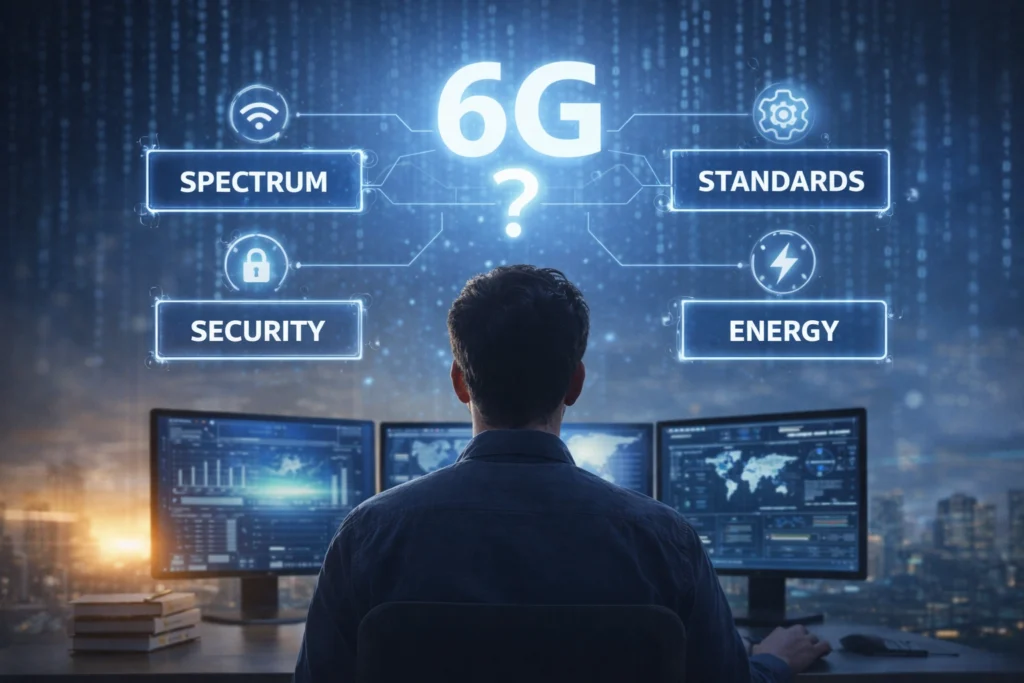
Developing 6G technology comes with its own set of challenges that researchers and engineers must address. One of the biggest hurdles is the need for new spectrum bands, such as terahertz frequencies, which require advanced hardware and infrastructure. Energy consumption is another concern, as more powerful networks demand efficient solutions. Additionally, building a global standard for 6G will require collaboration across industries and governments. Overcoming these challenges will be essential to unlock the full potential of next-generation connectivity.
You might also like: Strategies for Cultivating a Strong and Adaptable Workforce
Conclusion
The evolution from early mobile networks to 5G and beyond reflects the rapid pace of technological innovation. Each generation has brought new capabilities, transforming how we communicate, work, and live. As we move toward 6G, the focus will shift from faster connectivity to smarter, more intelligent systems that seamlessly integrate with our daily lives. The journey does not end with 6G it continues as technology evolves to meet future demands. Understanding this evolution helps us prepare for a world where connectivity drives innovation and shapes the future.
Read More Informative Information At Mypasokey