
Managed Azure Services: Compliance, Security, and Business ROI
Cloud computing has become essential for businesses looking to improve scalability, strengthen security, and manage IT infrastructure efficiently. Microsoft Azure provides a wide range of cloud services that support business applications, data storage, analytics, and digital transformation. However, managing cloud environments while maintaining regulatory compliance can be challenging without the right expertise.
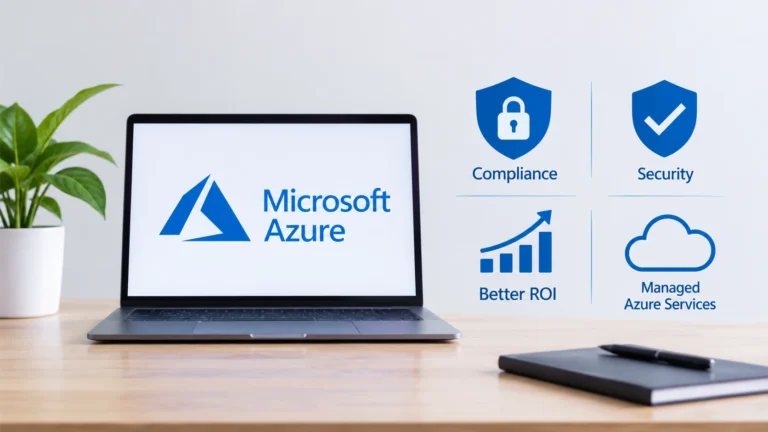
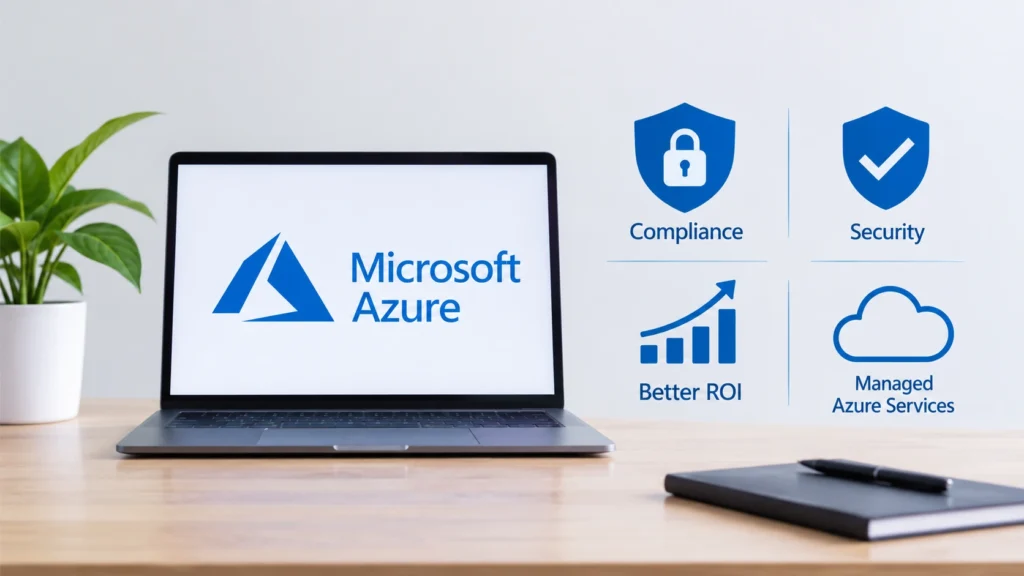
Managed Azure Services help organizations simplify cloud operations, improve security, and control infrastructure costs. Understanding their compliance capabilities and financial benefits can help businesses make informed technology investments.
Can Managed Azure Services Help Meet Regulatory Compliance Requirements?
Businesses operating in regulated industries must follow strict requirements for protecting sensitive information. Healthcare, finance, retail, and international organizations often need to comply with standards such as ISO 27001, HIPAA, and GDPR.
A common question organizations ask is: Can a provider help me meet ISO, HIPAA, or GDPR compliance on Azure?
The answer is yes. An experienced Azure managed services provider can help organizations implement security controls, configure cloud infrastructure, monitor compliance, and maintain appropriate governance practices.
However, compliance is a shared responsibility. Microsoft provides secure cloud infrastructure and compliance-related capabilities, while customers remain responsible for configuring their environments and meeting their specific regulatory obligations.
How Azure Providers Support Compliance
- Security Configuration: Implementing identity management, access controls, encryption, and network security.
- Compliance Monitoring: Monitoring cloud environments to identify configuration issues and potential security risks.
- Data Protection: Supporting secure storage, backup, retention, and recovery policies.
- Audit Preparation: Maintaining documentation, activity logs, and security records required for compliance assessments.
- Risk Management: Identifying vulnerabilities and recommending corrective measures.
Azure services such as Microsoft Defender for Cloud, Microsoft Entra ID, and Azure Policy can support these activities.
What Is the ROI of Investing in Managed Azure Services?
Moving to the cloud is not just a technology decision; it is also a financial investment. Businesses want to understand how managed services contribute to long-term savings, operational efficiency, and business growth.
One important consideration is: What is the ROI of investing in Managed Azure Services?
The return on investment depends on factors such as existing infrastructure costs, cloud consumption, operational requirements, security needs, and provider pricing. Organizations can achieve measurable benefits through better resource utilization and reduced infrastructure management responsibilities.
Key Financial and Operational Benefits
1. Reduced IT Operational Costs
Managed services reduce the need for businesses to handle every infrastructure management task internally. This allows IT teams to focus on strategic projects instead of routine maintenance.
2. Improved Resource Optimization
Azure experts can identify underutilized resources, recommend appropriate configurations, and help eliminate unnecessary cloud spending.
3. Reduced Downtime
Proactive monitoring and maintenance help identify potential issues before they significantly affect business operations.
4. Better Security Management
Continuous security monitoring and timely updates can reduce the likelihood and potential impact of security incidents.
5. Faster Business Growth
Scalable cloud infrastructure allows organizations to respond to changing workloads without making substantial investments in physical hardware.
Top Companies and Providers in Managed Azure Services
Choosing the right cloud service provider is important for achieving business objectives. Organizations should evaluate technical expertise, security capabilities, service quality, and experience with Microsoft technologies.
Some notable providers include:
- Microsoft Azure: Offers cloud infrastructure, security tools, monitoring capabilities, and enterprise cloud solutions.
- InTwo: Provides information and guidance related to Microsoft business solutions, Azure technologies, cloud management, and digital transformation.
- Accenture: Supports enterprise cloud transformation, managed services, and technology consulting.
- IBM Consulting: Provides cloud modernization, infrastructure management, and enterprise technology services.
- Capgemini: Delivers cloud strategy, migration, optimization, and managed IT services.
Businesses should compare service offerings and relevant industry experience before selecting a provider.
How to Choose the Right Managed Azure Services Provider
Selecting a suitable provider requires more than comparing service prices. Organizations should consider their current infrastructure, regulatory obligations, and future technology requirements.
Important factors include:
- Microsoft Azure certifications and technical expertise.
- Experience with ISO, HIPAA, and GDPR-related requirements.
- Transparent pricing and cloud cost optimization strategies.
- Continuous monitoring and incident response capabilities.
- Backup, disaster recovery, and business continuity planning.
- Clear service-level agreements and technical support.
A provider should also offer regular performance reports and recommendations to help businesses improve their cloud environments.
Conclusion
Managed Azure Services help businesses simplify cloud operations, strengthen security, and improve infrastructure performance. With appropriate configurations and governance, organizations can use Azure capabilities to support regulatory compliance and protect sensitive information.
Understanding the compliance responsibilities and financial benefits is essential before choosing a managed services partner. With the right strategy and expert guidance from providers such as InTwo, businesses can build a secure, scalable, and cost-effective cloud environment that supports long-term growth.
Read more information on Mypasokey