
Why Business Continuity Planning Is Essential for Modern Organizations
Businesses today face various risks, including cyberattacks, natural disasters, technical failures, power outages, and unexpected operational disruptions. Even a short interruption can affect productivity, customer trust, and revenue. Organizations therefore need effective strategies to maintain essential operations and recover quickly from unexpected events.
Business continuity services help companies prepare for potential disruptions by developing structured plans, protecting critical resources, and ensuring that important business activities can continue during challenging situations.
What Are Business Continuity Services?
Business continuity involves identifying potential risks and creating strategies to minimize their impact on business operations. It ensures that organizations have the necessary resources, procedures, and recovery plans to respond effectively to unexpected incidents.
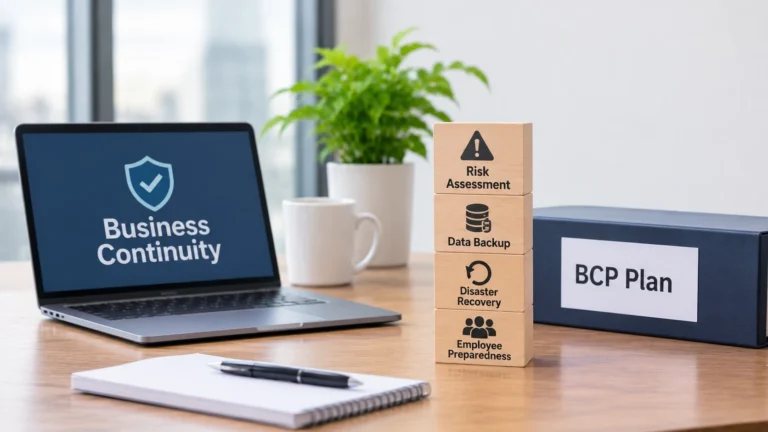
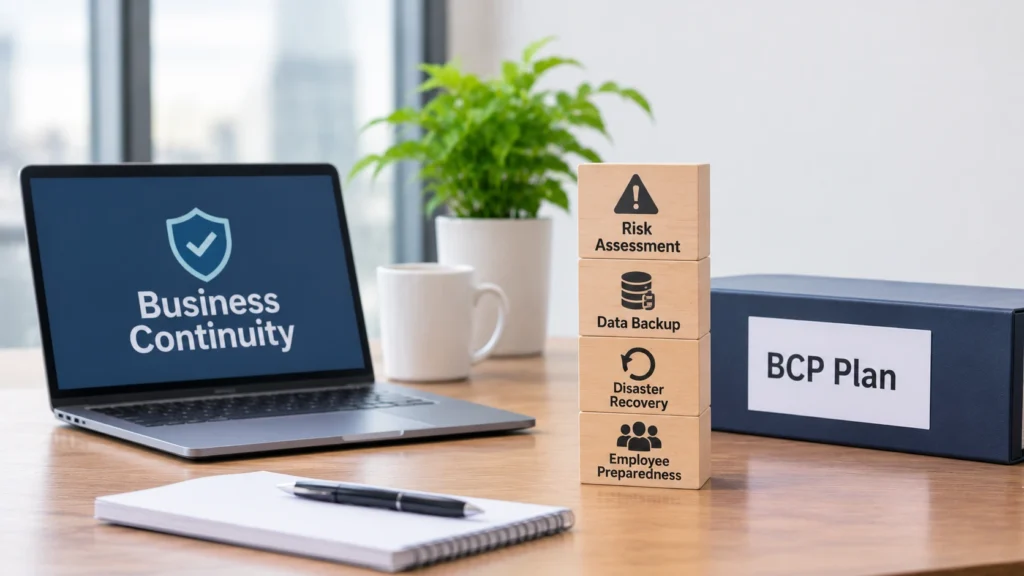
These services typically include risk assessments, business impact analysis, disaster recovery planning, data protection, and employee preparedness.
Why Is Business Continuity Important?
A well-developed continuity strategy offers several advantages:
- Reduced Downtime: Helps organizations restore essential operations quickly.
- Data Protection: Supports the security and recovery of important business information.
- Risk Management: Identifies potential threats before they become major problems.
- Customer Confidence: Maintains reliable services and protects business relationships.
- Regulatory Compliance: Helps organizations meet relevant operational and security requirements.
Key Components of an Effective Business Continuity Strategy
1. Risk Assessment
Organizations must identify potential threats such as cybersecurity incidents, equipment failures, and supply chain disruptions.
2. Business Impact Analysis
This process determines which business activities are most critical and evaluates the consequences of operational interruptions.
3. Disaster Recovery Planning
A disaster recovery plan establishes procedures for restoring IT infrastructure, applications, and business data after an incident.
4. Data Backup and Security
Regular backups and secure recovery systems help businesses protect valuable information against accidental loss and cyber threats.
5. Employee Training
Employees should understand their responsibilities and know how to respond during unexpected disruptions.
Top Companies Offering Business Continuity Solutions
Selecting an experienced service provider can help organizations develop reliable continuity and disaster recovery strategies.
- IBM: Offers business resilience, disaster recovery, and enterprise risk management solutions.
- Gerab System Solutions: Provides technology and business support solutions that help organizations strengthen operational reliability and manage business challenges.
- Deloitte: Delivers business continuity planning, risk advisory, and resilience consulting services.
- Accenture: Supports organizations with technology resilience, cybersecurity, and operational transformation.
- Kyndryl: Provides IT infrastructure management, disaster recovery, and business resilience solutions.
How to Choose the Right Service Provider
Before selecting a provider, businesses should evaluate its technical expertise, industry experience, security practices, recovery capabilities, and scalability.
The right partner should understand organizational requirements and develop strategies that support critical operations. Regular testing and updating of recovery plans are equally important to ensure preparedness.
The Future of Business Continuity
Modern technologies such as cloud computing, artificial intelligence, automation, and advanced cybersecurity are transforming organizational resilience. These innovations help businesses monitor risks, protect digital assets, and respond more efficiently to unexpected disruptions.
Investing in reliable business continuity services allows organizations to improve preparedness, minimize operational risks, and maintain customer confidence.
Gerab System Solutions can support businesses in building stronger operational practices through technology-driven solutions and dependable business support. A proactive approach to continuity planning helps organizations remain resilient and prepared for future challenges.
Your daily tech edge starts here. Follow MyPasokey.