
Introduction to Android vs iOS
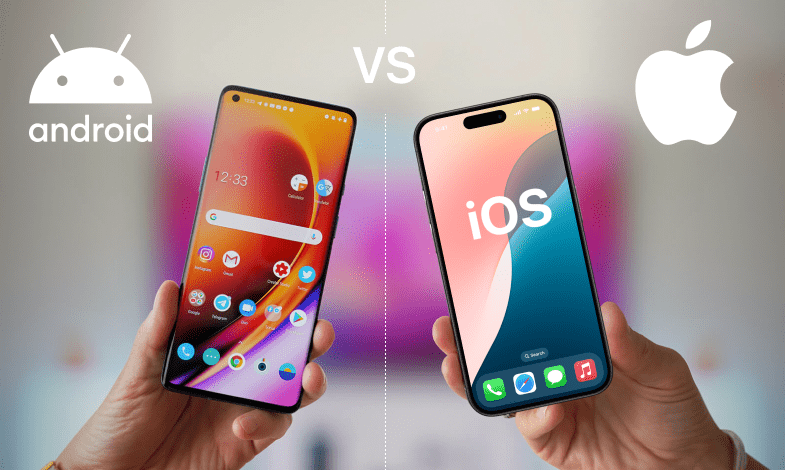
Android and iOS are the two dominant mobile operating systems that power almost every smartphone we use today. While both platforms aim to deliver a smooth and reliable mobile experience, they follow very different philosophies. Android focuses on flexibility, openness, and customization, whereas iOS emphasizes simplicity, consistency, and deep ecosystem integration. This comparison matters because choosing between Android and iOS is no longer just about phones it affects apps, privacy, updates, and even how well your devices work together. Understanding these differences helps users make smarter, long-term decisions.
Why Android vs iOS Comparison Matters Today
Smartphones have become central to work, entertainment, communication, and daily life. The operating system you choose directly impacts performance, security, app quality, and user freedom. Android and iOS now compete not just on features, but on privacy, AI integration, and ecosystem loyalty. A clear comparison helps users avoid marketing hype and choose the platform that truly fits their needs, budget, and lifestyle.
Brief History of Android
Android was initially developed as an open-source mobile operating system and later acquired by Google in 2005. Its first commercial release came in 2008, and since then, Android has evolved rapidly. The platform gained popularity by allowing manufacturers like Samsung, Xiaomi, and OnePlus to customize the software. Over time, Android introduced major innovations such as widgets, multitasking, and deep system customization. Today, Android powers billions of devices worldwide, making it the most widely used mobile OS globally.
Evolution of Android Operating System
Android’s evolution has focused on flexibility and innovation. Each major version introduced performance improvements, stronger security controls, and smarter AI features. Google gradually shifted Android toward better privacy management and system stability while still keeping customization at its core. Despite fragmentation challenges, Android continues to adapt quickly to new hardware and user demands.
Brief History of iOS
iOS was introduced by Apple in 2007 alongside the first iPhone. Unlike Android, iOS was designed as a closed ecosystem from day one. Apple controlled both the hardware and software, allowing tight optimization and a consistent user experience. Over the years, iOS has evolved with smoother animations, better security, and strong privacy features. Apple’s long-term software support and seamless device integration have made iOS a preferred choice for users who value stability and premium performance.
How iOS Became Apple’s Core Mobile OS
iOS became central to Apple’s success by focusing on reliability and user experience. Apple prioritized smooth performance, timely updates, and strong app quality. By limiting hardware variations, Apple ensured that iOS runs efficiently across devices. This strategy helped Apple build trust and long-term loyalty among users.
Market Share and Global Popularity
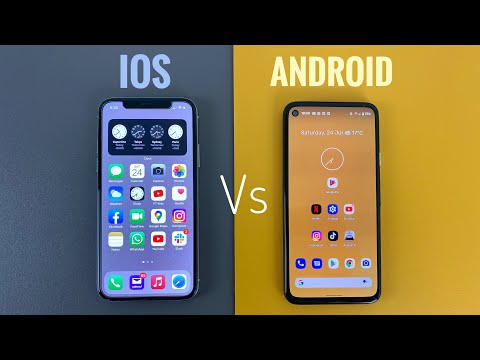
Android dominates global market share due to its availability across a wide range of devices and price points. From budget phones to premium flagships, Android offers options for every user. iOS, while holding a smaller global share, is extremely popular in regions like the United States and Western Europe. Apple users tend to show strong brand loyalty, which keeps iOS competitive despite fewer device options.
You Might also Like Lufanest
Android vs iOS Usage Worldwide
Android leads in emerging markets because of affordable smartphones and wider availability. iOS performs strongly in premium markets where users prioritize performance, privacy, and ecosystem integration. Both platforms continue to grow, but their audiences differ significantly in preferences and spending behavior.
Core Philosophy of Android
Android is built around openness and user control. Google designed Android to be flexible, allowing manufacturers and users to customize almost every aspect of the system. From home screen layouts to default apps, Android encourages personalization. This philosophy supports innovation but can also lead to inconsistent experiences across devices. Android appeals to users who want freedom, choice, and control over how their smartphone works.
Open-Source Nature and Flexibility
Android’s open-source foundation allows developers and manufacturers to modify the system freely. This results in unique device features, custom interfaces, and faster experimentation. While this flexibility benefits advanced users, it can sometimes affect consistency and long-term update reliability.
User Interface and Design Comparison
The user interface is one of the most noticeable differences between Android and iOS. Android offers a more flexible and customizable interface, allowing users to change layouts, icons, and navigation styles. iOS, on the other hand, focuses on visual consistency and simplicity across all devices. Apple prioritizes smooth animations and predictable interactions, while Android emphasizes user freedom. Both interfaces are polished, but they cater to different user preferences: Android for customization lovers and iOS for users who value a clean, controlled experience.
Android UI Customization vs iOS Simplicity
Android allows deep customization, including launchers, icon packs, and widgets. iOS keeps things simpler with limited layout changes but delivers a consistent and refined feel. Apple’s approach reduces complexity, while Android empowers users to shape their own experience.
Customization and Personalization Options
Customization is where Android clearly stands out. Users can modify home screens, install third-party launchers, change default apps, and even tweak system-level behaviors. iOS has improved personalization in recent years by adding widgets and lock screen controls, but it remains more restricted. Apple intentionally limits customization to maintain stability and performance. Android appeals to users who enjoy control, while iOS attracts those who prefer simplicity without constant adjustments.
App Ecosystem: Play Store vs App Store
Both Android and iOS offer millions of apps, but their ecosystems differ in quality control and policies. Apple’s App Store is known for stricter review guidelines, which often result in higher app quality and better security. Google Play Store is more open, allowing faster app publishing and broader experimentation. This openness benefits developers but can occasionally expose users to lower-quality apps. Overall, both platforms provide strong app availability across all major categories.
App Quality, Availability, and Monetization
iOS apps often launch earlier and generate more revenue due to higher user spending. Android offers a wider reach and flexibility for developers. Monetization strategies differ, but both platforms support subscriptions and in-app purchases effectively.
Performance and Hardware Optimization
Performance depends heavily on how software interacts with hardware. Apple controls both iOS and iPhone hardware, allowing deep optimization and consistent performance across devices. Android runs on a wide range of hardware, which creates variation in performance. High-end Android phones perform exceptionally well, but budget devices may struggle. Apple’s tight integration ensures smoother long-term performance, while Android offers more hardware diversity and innovation.
Software Updates and OS Support
Software updates are a major deciding factor for many users. Apple provides simultaneous updates to all supported iPhones, often for five years or more. Android updates depend on manufacturers and carriers, which can delay rollouts. While Google’s Pixel devices receive faster updates, many Android users experience fragmentation. Apple’s update strategy ensures security and feature consistency, making iOS more reliable for long-term use.
Fragmentation Issues in Android vs iOS Updates
Android fragmentation occurs because multiple brands manage updates differently. iOS avoids this by controlling all devices centrally. This gives Apple a clear advantage in update speed and consistency.
Security and Privacy Features
Security and privacy are top priorities for both platforms, but their approaches differ. Apple emphasizes user privacy with strict data controls, on-device processing, and transparent tracking permissions. Android focuses on security flexibility, offering granular permission controls and regular security patches. While Android has improved significantly, iOS is often perceived as more privacy-focused due to Apple’s business model, which relies less on advertising and data collection.
Data Protection and User Privacy Controls
iOS provides strong app tracking transparency and encryption standards. Android offers advanced permission management and customizable privacy settings. Both platforms are secure, but Apple’s privacy-first messaging resonates strongly with users.
Messaging and Communication Features
Messaging plays a major role in everyday smartphone use, and Android and iOS take different approaches. iOS offers iMessage, which provides seamless messaging between Apple devices with encryption, read receipts, and media sharing. Android relies on Google Messages with RCS support, offering improved features over traditional SMS. While Android works well across different brands, iMessage creates a strong Apple-only experience. This difference often influences user loyalty, especially in regions where Apple devices dominate social communication.
Camera, Media, and Entertainment Experience
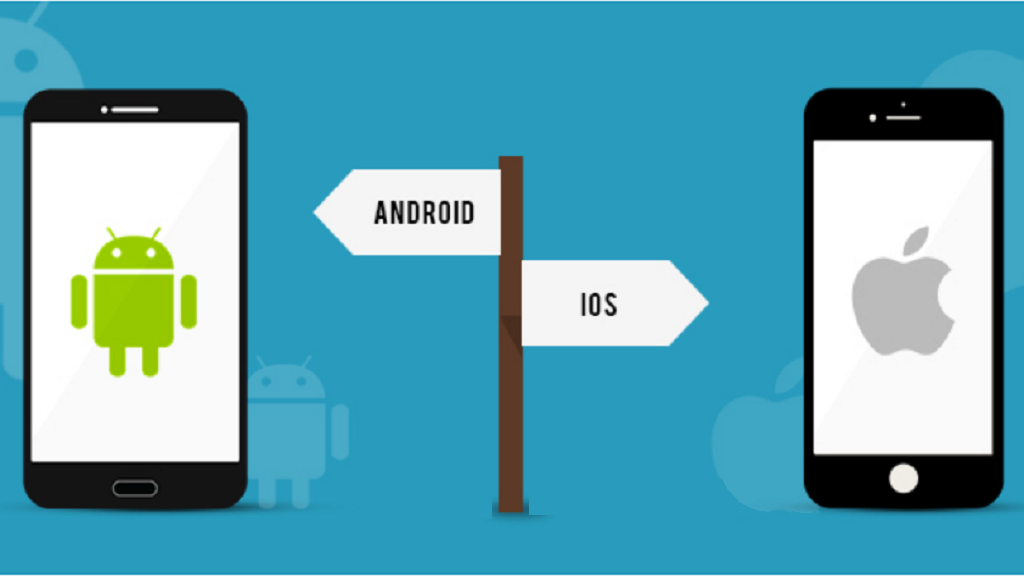
Both Android and iOS deliver excellent camera and media performance, but they prioritize different strengths. iPhones focus on consistency, natural colors, and video quality across all models. Android devices vary widely, with some offering advanced camera hardware and manual controls. Media consumption is smooth on both platforms, with strong support for streaming apps and high-resolution displays. Android offers more flexibility in file handling, while iOS emphasizes simplicity and reliability.
You Might also Like Top Smart Gadgets for Daily Life
Voice Assistants and AI Capabilities
Artificial intelligence has become central to smartphone experiences. Android integrates Google Assistant, known for its accuracy, smart responses, and deep system integration. iOS uses Siri, which focuses on privacy and on-device processing. While Google Assistant often feels more powerful for search and automation, Siri works smoothly within Apple’s ecosystem. Both assistants continue to improve, but Android currently leads in AI-driven personalization and smart task execution.
Google Assistant vs Siri Comparison
Google Assistant excels in real-time answers, contextual awareness, and third-party integrations. Siri prioritizes user privacy and device-level control. Each assistant reflects the platform’s core philosophy of intelligence and openness versus privacy and simplicity.
Ecosystem Integration and Cross-Device Support
Ecosystem integration is where iOS clearly stands out. Apple devices work seamlessly together, offering features like AirDrop, iCloud syncing, and device continuity. Android supports cross-device use through Google services, but the experience varies by manufacturer. While Android works well across different brands, Apple’s tightly controlled ecosystem provides smoother transitions between phones, tablets, watches, and computers.
Battery Life and Power Management
Battery performance depends on both software optimization and hardware efficiency. iOS manages background processes aggressively, which helps preserve battery life over time. Android offers more control over power management but can consume more battery with heavy customization. Some Android devices include larger batteries and fast charging options, while iPhones focus on balanced performance. Real-world battery life varies, but both platforms have made significant improvements.
Pricing, Affordability, and Value for Money
Android devices are available at nearly every price point, making them accessible to a wider audience. Users can choose budget phones, mid-range devices, or premium flagships. iPhones are generally more expensive but hold resale value better. Apple’s long software support adds long-term value. Android offers affordability and choice, while iOS focuses on premium quality and longevity.
Pros and Cons of Android vs iOS
Android’s biggest strengths are flexibility, customization, and device variety. However, update delays and fragmentation can be drawbacks. iOS excels in performance consistency, security, and ecosystem integration, but offers limited customization and higher costs.
Final Verdict – Which One Should You Choose?
Choosing between Android and iOS depends entirely on personal needs. Android is ideal for users who want freedom, customization, and affordability. iOS suits users who value simplicity, privacy, long-term updates, and seamless device integration. Both platforms are powerful and mature. Instead of asking which is better, the real question is which one fits your lifestyle, budget, and expectations best.
Read More Informative Information At Mypasokey