
Sustainable Home Transformation
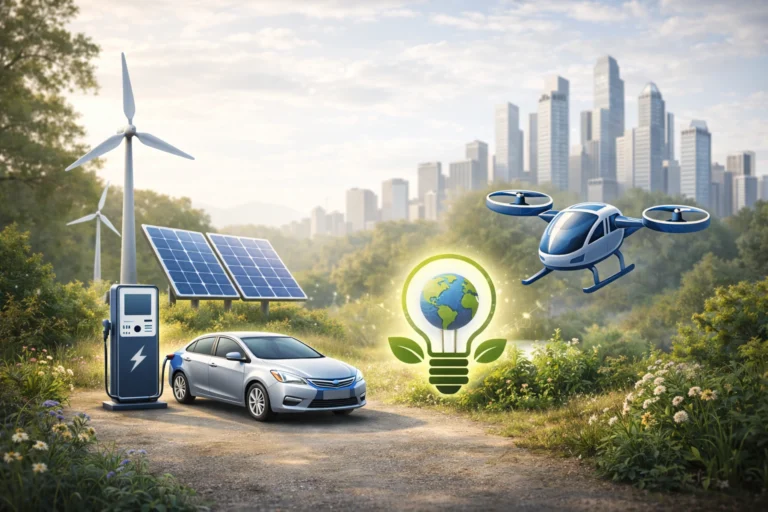
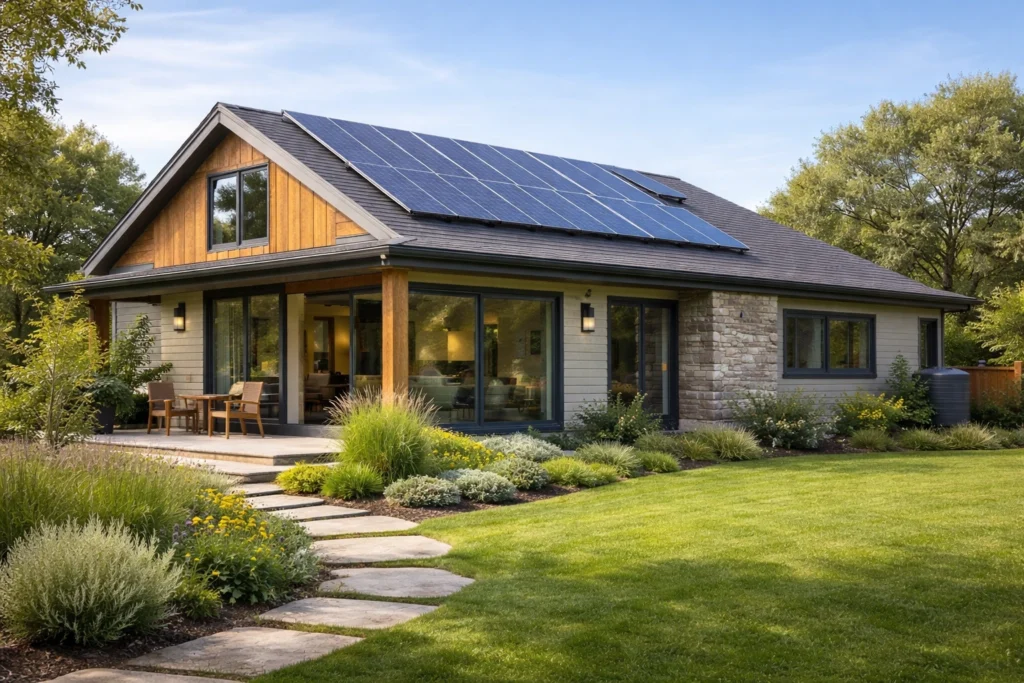
Eco-friendly home improvement is no longer a niche trend it is a smart, future-focused strategy for modern homeowners. A sustainable home transformation means upgrading your space in ways that reduce energy consumption, minimize waste, and improve indoor health without sacrificing comfort or style. Instead of quick cosmetic updates, this approach focuses on long-term performance and environmental responsibility. From energy systems to material choices, every decision contributes to lowering your carbon footprint. When done strategically, green improvements not only protect the planet but also reduce utility bills and increase overall property value.
Strategic Green Renovation Planning
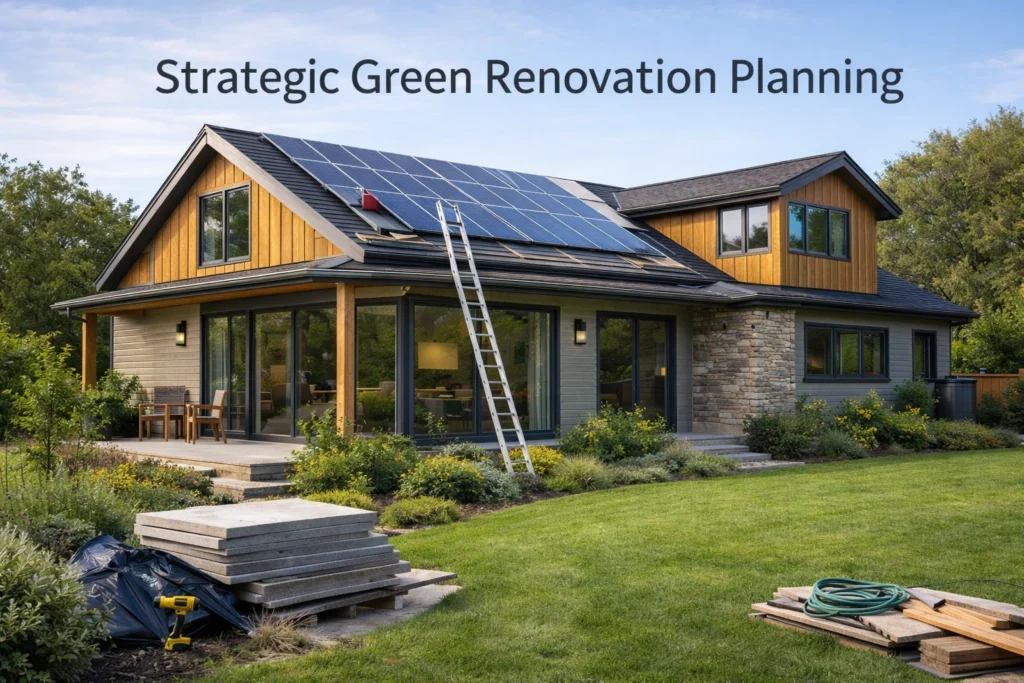
Before starting any eco-friendly upgrade, planning is critical. Sustainable renovation works best when improvements are prioritized based on impact, budget, and home performance. Begin by identifying areas that waste the most energy or water. Then align upgrades with long-term savings goals rather than short-term trends. A strategic plan prevents overspending and ensures each improvement supports overall efficiency. Whether you’re modernizing a single room or renovating the entire property, having a roadmap allows you to phase projects intelligently while maximizing environmental and financial returns.
You Might also Like: How Tablets Transform Study and Work Efficiency
Energy Audit & Performance Analysis
An energy audit is the foundation of any effective green renovation. It evaluates how your home consumes energy and pinpoints inefficiencies that often go unnoticed. Professional audits use thermal imaging, blower door tests, and data analysis to identify air leaks, insulation gaps, and outdated systems. Even a basic self-assessment can reveal problem areas like drafty windows or inefficient appliances. By understanding your home’s performance baseline, you can invest in upgrades that deliver measurable improvements rather than guessing where changes are needed.
Solar Energy Integration
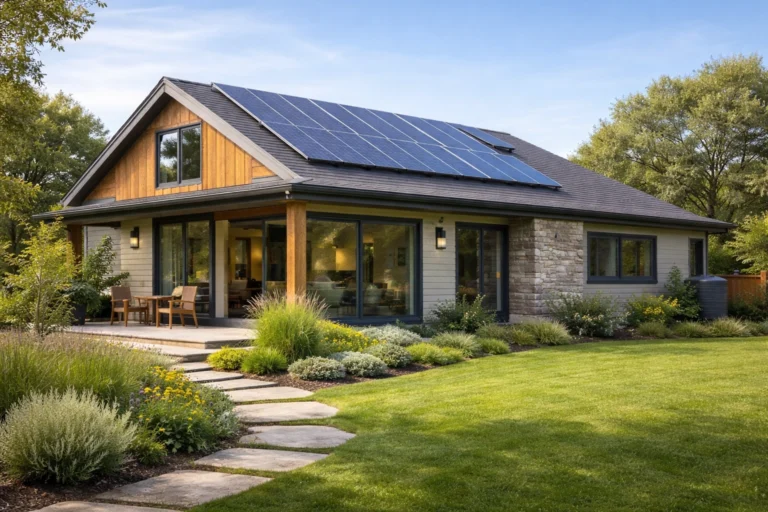
Integrating solar energy is one of the most impactful eco-friendly home improvements available today. Solar technology converts sunlight into usable electricity, reducing reliance on fossil fuels and stabilizing long-term energy costs. Modern systems are more efficient, affordable, and visually streamlined than ever before. In many regions, tax incentives and rebates significantly lower installation expenses. Beyond savings, solar integration strengthens energy independence and increases property desirability. For homeowners aiming for true sustainability, renewable energy adoption is often the most transformative step.
High-Efficiency PV Systems
High-efficiency photovoltaic (PV) panels maximize energy production even in limited roof space. Advanced monocrystalline modules and optimized inverter systems improve conversion rates and overall system reliability. When paired with smart monitoring tools, homeowners can track real-time performance and detect inefficiencies quickly. Choosing premium PV technology ensures better long-term output, durability, and return on investment compared to outdated or lower-grade panels.
ROI & Net Metering Benefits
Solar return on investment extends beyond lower monthly bills. Net metering programs allow homeowners to send excess electricity back to the grid in exchange for credits, effectively turning the utility meter backward. Over time, energy savings often offset installation costs while protecting against rising electricity rates. Combined with federal or state incentives, solar adoption becomes a financially strategic move rather than just an environmental choice.
Advanced Thermal Insulation
Thermal insulation plays a critical role in maintaining indoor comfort while minimizing heating and cooling demands. Poor insulation forces HVAC systems to work harder, increasing energy waste and expenses. Advanced insulation solutions such as spray foam, rigid foam boards, and dense-pack cellulose provide superior thermal resistance. Properly insulated attics, walls, and floors create a stable indoor temperature year-round. This not only reduces energy bills but also enhances indoor comfort, noise reduction, and overall building durability.
High-R Value Materials
High-R value materials offer stronger resistance to heat flow, making them ideal for energy-efficient construction. Materials like closed-cell spray foam and structural insulated panels deliver exceptional performance in extreme climates. Selecting insulation with the appropriate R-rating for your region ensures optimal results. Investing in higher thermal resistance upfront often leads to substantial long-term energy savings and improved environmental performance.
High-Performance Windows & Sealing
Windows and doors are among the most common sources of energy loss in residential properties. Upgrading to high-performance windows with double or triple glazing significantly reduces heat transfer and improves indoor climate control. Low-emissivity (Low-E) coatings reflect heat while allowing natural light to enter, improving both efficiency and comfort. Beyond glass technology, proper sealing is equally critical. Weatherstripping, caulking, and insulated frames prevent air leakage that can quietly drive up energy bills. Together, upgraded glazing and airtight sealing create a more stable indoor environment while reducing HVAC workload year-round.
Smart Energy Management Systems
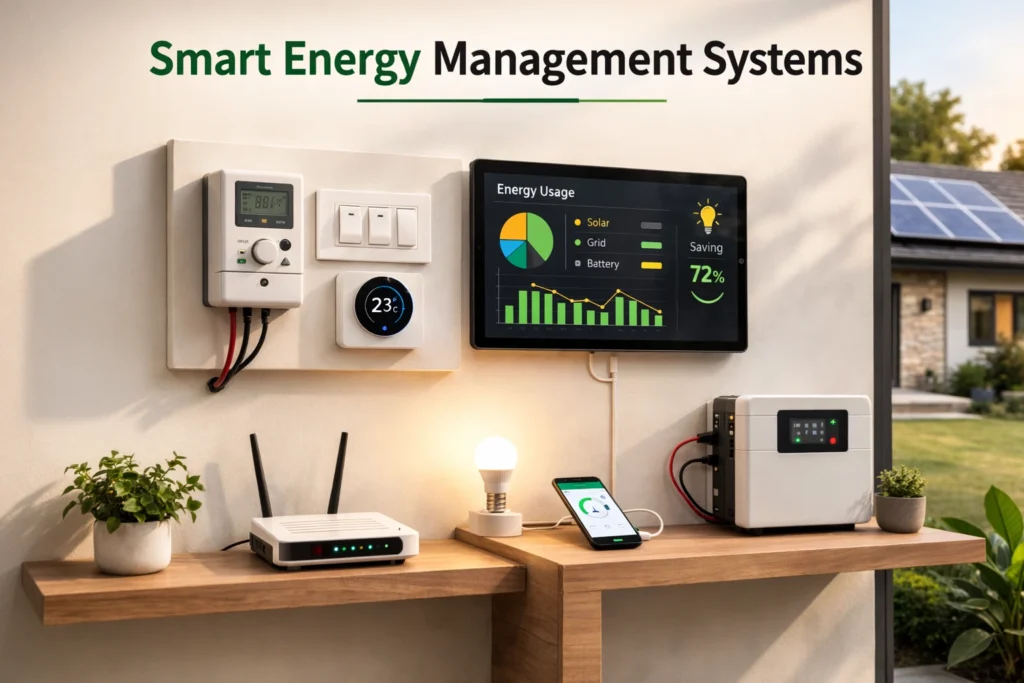
Smart energy management systems bring automation and intelligence into eco-friendly home design. These technologies monitor electricity usage in real time, helping homeowners identify waste patterns and adjust consumption accordingly. Smart thermostats, connected lighting, and automated climate controls optimize performance without constant manual input. Over time, these systems learn behavioral patterns and adjust settings for maximum efficiency. By combining data analytics with automation, smart energy solutions reduce unnecessary energy draw while maintaining comfort. They also provide detailed insights, empowering homeowners to make informed decisions about future efficiency upgrades.
You Might also Like: How Air Purifiers Clean Indoor Air | Expert Guide
Automated Consumption Control
Automated consumption control ensures that energy is used only when needed. Motion sensors turn lights off in empty rooms, while programmable thermostats adjust temperatures based on occupancy schedules. Smart plugs eliminate phantom loads from idle electronics. These small adjustments accumulate into measurable savings. By removing human error from daily energy habits, automated systems consistently reduce waste without requiring constant attention or lifestyle changes.
Water Efficiency Optimization
Water conservation is a key component of sustainable home improvement. Installing low-flow toilets, faucets, and showerheads can dramatically reduce household water consumption without compromising performance. Modern water-efficient fixtures are engineered to maintain pressure while limiting unnecessary flow. Additionally, upgrading to high-efficiency dishwashers and washing machines reduces both water and electricity usage. Fixing leaks promptly and installing pressure regulators further enhances efficiency. By optimizing water systems, homeowners lower utility bills, conserve valuable resources, and reduce strain on municipal infrastructure, all while maintaining everyday convenience.
Rainwater & Greywater Systems
Rainwater harvesting and greywater reuse systems offer innovative ways to reduce freshwater demand. Rain barrels or underground collection tanks capture roof runoff for irrigation and outdoor cleaning tasks. Greywater systems redirect gently used water from sinks or laundry toward landscaping applications. These systems reduce reliance on municipal supply while lowering wastewater output. Proper filtration and compliance with local regulations are essential for safety and efficiency. When implemented correctly, water reuse strategies contribute significantly to sustainable living and long-term resource conservation.
Sustainable Material Selection
Choosing sustainable building materials ensures that eco-friendly renovations extend beyond energy efficiency. Materials with recycled content, responsibly sourced wood, and rapidly renewable resources reduce environmental impact from production through disposal. Bamboo flooring, reclaimed wood beams, recycled metal fixtures, and composite decking are popular sustainable options. Durability is equally important; long-lasting materials minimize replacement frequency and waste generation. Evaluating life-cycle performance, manufacturing processes, and transportation impact helps homeowners make responsible choices. Thoughtful material selection supports healthier indoor air quality while reinforcing a home’s long-term sustainability goals.
Low-VOC & Non-Toxic Finishes
Indoor air quality is often overlooked during renovations, yet it directly impacts long-term health. Traditional paints, adhesives, and finishes release volatile organic compounds (VOCs) that contribute to respiratory irritation and indoor pollution. Switching to low-VOC or zero-VOC products significantly improves air safety without compromising durability or appearance. Water-based finishes, natural sealants, and formaldehyde-free cabinetry further reduce chemical exposure. Choosing non-toxic materials supports a cleaner indoor environment, particularly for families with children or allergies. Sustainable finishes not only protect health but also align with broader environmental responsibility goals.
Energy-Efficient Appliances & HVAC
Appliances and climate systems account for a large portion of household energy consumption. Upgrading to energy-efficient models reduces electricity demand while maintaining high performance. Modern HVAC systems, including high-efficiency furnaces and variable-speed air conditioners, optimize output based on real-time conditions. Heat pumps provide both heating and cooling with significantly lower energy use compared to traditional systems. Proper sizing and professional installation are essential for maximum efficiency. Over time, reduced operating costs offset upgrade expenses, making efficient appliances a smart financial and environmental investment.
Sustainable Landscape Engineering
Outdoor spaces play a vital role in eco-friendly home design. Sustainable landscape engineering focuses on water conservation, soil health, and biodiversity. Native plants require less irrigation and maintenance because they are adapted to local climate conditions. Permeable paving materials allow rainwater to absorb into the ground, reducing runoff and erosion. Strategic tree placement can provide natural shade, lowering indoor cooling demands during summer months. By designing landscapes with ecological balance in mind, homeowners create functional outdoor environments that support long-term environmental sustainability.
Long-Term Value & Carbon Reduction
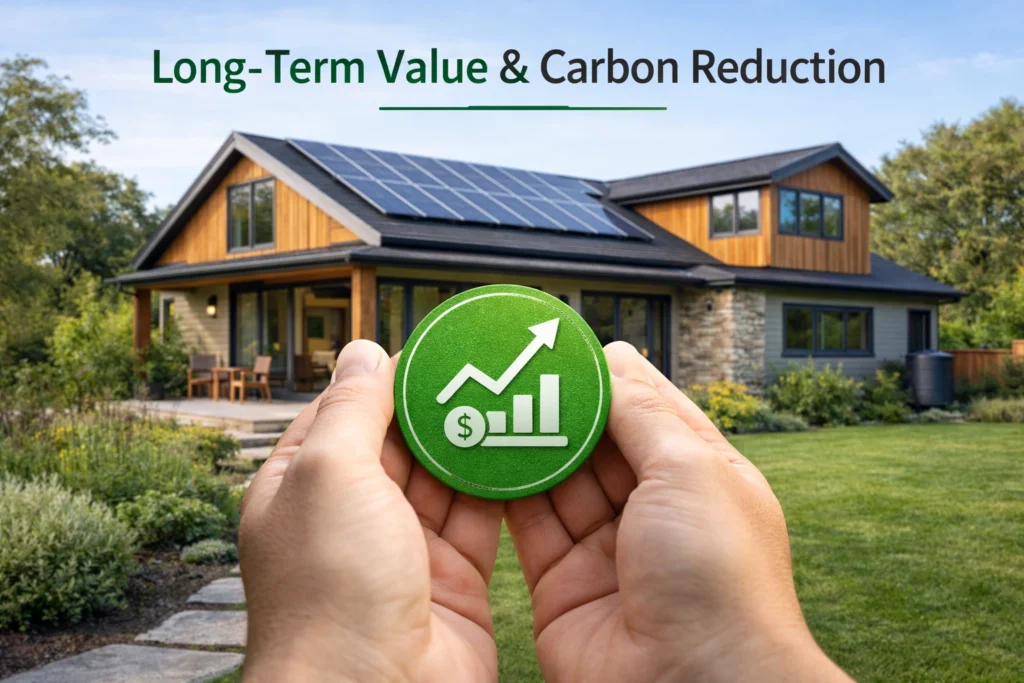
Eco-friendly home improvements are not just about immediate savings; they represent a long-term strategy for resilience and value growth. Reduced energy consumption directly lowers carbon emissions, contributing to broader climate goals. As energy regulations tighten and buyer preferences shift toward sustainability, green-certified or energy-efficient homes often command stronger resale demand. Additionally, predictable utility savings protect homeowners from rising energy costs. By combining performance upgrades with responsible material choices, sustainable renovations create homes that are efficient, durable, and aligned with future environmental standards.
Conclusion
Eco-friendly home improvement is more than a design trend; it is a strategic investment in efficiency, health, and long-term value. By combining energy optimization, water conservation, smart technology, and sustainable materials, homeowners can significantly reduce environmental impact while lowering operating costs. The key is to approach upgrades with a clear plan, focusing on high-impact improvements that deliver measurable performance gains. Whether starting small with efficient lighting or committing to solar integration, every step contributes to a more resilient and future-ready home built for both comfort and sustainability.
FAQs
1. What is the most cost-effective eco-friendly home upgrade?
Improving insulation and sealing air leaks usually delivers the fastest and most affordable energy savings.
2. Do solar panels really increase home value?
Yes, homes with solar systems often attract higher resale prices and stronger buyer demand.
3. Are eco-friendly renovations expensive?
Some upgrades require upfront investment, but long-term utility savings often offset the initial cost.
4. How can I reduce water usage at home?
Install low-flow fixtures, fix leaks promptly, and consider rainwater harvesting systems.
5. What are VOCs, and why should I avoid them?
VOCs are harmful chemicals in paints and finishes that reduce indoor air quality.
Read More Informative Information At Mypasokey