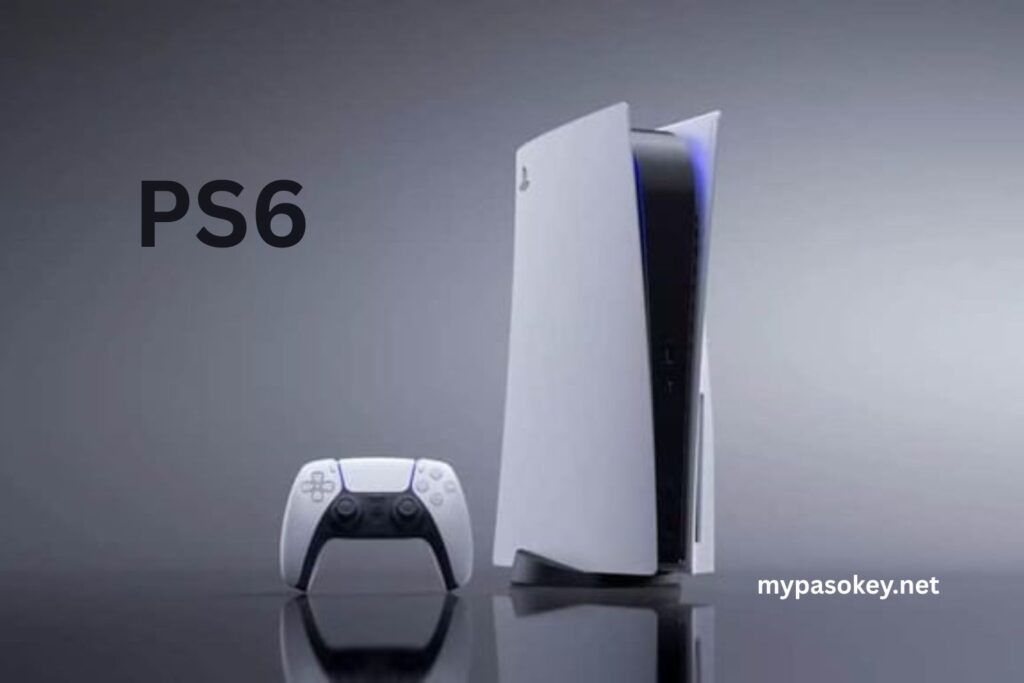

PS6 Release Date Window: Latest Overview
The PS6 release date window has quickly become one of the most discussed topics in the gaming world, even though the PlayStation 5 is still going strong. Gamers are eager to know when Sony’s next-generation console might arrive and how long the current generation will last. While Sony has not announced a specific date, credible reports, industry leaks, and historical patterns offer valuable clues. Most experts agree the PS6 is still several years away, but the conversation has already begun shaping expectations around a realistic release timeline.
Official Status: Has Sony Confirmed Anything Yet?
As of now, Sony has not officially confirmed the PS6 release date window. There has been no formal announcement, teaser, or reveal event dedicated to PlayStation 6. However, Sony executives have indirectly discussed future hardware in financial briefings and interviews. These comments don’t give a date but suggest long-term planning is underway. This lack of confirmation is intentional, allowing Sony to focus on maximizing the PS5 lifecycle while quietly preparing for what comes next behind the scenes.
Mark Cerny’s Comments on PS6 Timing
Mark Cerny, the lead system architect behind PlayStation consoles, has carefully avoided naming timelines but has hinted at future platform innovation. His past comments suggest Sony begins early R&D years before a console launches. While he hasn’t said “PS6,” his language around next-generation planning aligns with a mid-to-late decade transition rather than something imminent.
Sony’s Official Roadmap Statements
Sony’s public roadmap focuses heavily on PS5 support through the latter half of the decade. Company documents emphasize long-term live services, first-party titles, and hardware extensions rather than replacement. This signals that PS6 is not rushing to market. Instead, Sony appears committed to extracting full value from PS5 before introducing a new console generation.
What Sony Has Said About PS6 Timing
Sony’s leadership has repeatedly stated that console generations are evolving, not shrinking. Executives describe PlayStation as a long-term ecosystem rather than a short hardware cycle. This philosophy directly impacts the PS6 release date window. Rather than launching early, Sony is likely spacing generations to ensure technical leaps feel meaningful. These statements suggest a carefully planned transition rather than a surprise launch, reinforcing predictions that PS6 will arrive only after PS5 reaches full maturity.
Industry Leaks and Insider Hints on PS6 Timing
Leaks play a major role in shaping PS6 release date expectations. Several well-known industry insiders and analysts claim Sony has already started early PS6 development with key partners. These reports often reference internal timelines, chip design phases, and developer discussions. While leaks should always be taken cautiously, consistency across multiple sources strengthens their credibility. Most insider chatter points toward a late-decade launch rather than anything in the near future.
Leaker Reports Suggesting 2027 Launch
Some leakers believe 2027 is the earliest realistic PS6 release window. This theory aligns with development cycles, hardware planning, and Sony’s historical approach. According to these reports, early silicon testing and software frameworks could be underway, making a late-2027 launch possible if everything stays on schedule.
Rumors of Late 2027 or Early 2028 Timeline
Other sources lean toward early 2028 as a safer target. They argue Sony may prefer a polished, stable launch rather than rushing hardware. This timeline gives developers more time to adapt and ensures a strong launch lineup, which Sony considers critical for next-generation success.
Rumors vs Official Clues: Understanding the Differences
It’s important to separate rumors from verified information when discussing the PS6 release date window. Official clues come from earnings calls, executive interviews, and strategic documents, while rumors stem from leaks and insider speculation. Sony rarely confirms hardware plans early, so rumors naturally fill the information gap. Smart readers should look for patterns where leaks align with Sony’s historical behavior rather than treating every claim as fact.
Historical PlayStation Console Release Patterns
Sony’s past console launches provide one of the strongest indicators for predicting PS6 timing. PlayStation generations typically last six to seven years, sometimes longer. PS4 launched in 2013, PS5 in 2020, creating a seven-year gap. This pattern suggests Sony values stability and long adoption cycles. Applying this logic places PS6 comfortably toward the end of the decade rather than earlier.
You Might also Like Insights Logicalshout
PS4 → PS5 → What It Suggests for PS6
The PS4-to-PS5 transition shows Sony’s preference for gradual evolution. Cross-generation support lasted years, and PS4 remained relevant well into PS5’s life. This approach strongly hints that PS6 will follow a similar path, with overlap rather than abrupt replacement.
Why Sony Follows a 6–7 Year Cycle
A 6–7 year cycle allows technology to mature and game development tools to fully evolve. Sony avoids launching hardware too early because meaningful graphical and performance leaps take time. This cycle also helps developers justify higher production budgets tied to new hardware capabilities.
Why Release Window Matters for Gamers
The PS6 release date window matters because it influences buying decisions, game development, and long-term investment in the PlayStation ecosystem. Gamers want to know whether buying a PS5 today is still a smart move. Developers need timelines to plan next-gen titles. Even publishers and accessory makers rely on these estimates. A clear release window helps everyone align expectations and avoid uncertainty in the gaming market.
Expected PS6 Launch Window (2027–2028)
Based on industry analysis, historical data, and insider commentary, the most realistic PS6 release date window falls between 2027 and 2028. This range allows Sony to complete the PS5 lifecycle while introducing meaningful technological improvements. Analysts believe Sony wants to avoid a rushed transition and instead focus on a polished, high-impact launch. A late-generation release also ensures developers have time to fully utilize PS5 hardware before shifting resources. While no date is locked in, this window currently represents the strongest consensus.
Late 2027: Most Popular Prediction
Late 2027 is often mentioned because it aligns with Sony’s seven-year console cycle strategy. A holiday release would maximize sales momentum and media attention. If development stays on track and market conditions remain stable, this timeframe could offer the perfect balance between innovation and readiness.
Early 2028: Conservative Estimate
Some experts favor early 2028 as a safer alternative. This allows Sony to refine hardware, avoid supply issues, and launch with a stronger game lineup. From a risk-management perspective, early 2028 reduces pressure while still meeting long-term expectations.
Can PS6 Launch Earlier? (Earliest Predictions)
While excitement fuels speculation about an earlier PS6 launch, most evidence suggests this is unlikely. Sony is heavily invested in PS5 sales, software, and services, making an early transition risky. Launching too soon could fragment the player base and weaken long-term engagement. Although technological advancements are accelerating, Sony historically prioritizes ecosystem stability over speed. As a result, an early PS6 release would require a major shift in strategy, which currently seems improbable.
Could PS6 Release Be Delayed Until 2029?
A delay until 2029 isn’t impossible, especially if Sony decides to extend the PS5 generation further. Live-service games, cloud gaming growth, and mid-generation upgrades could justify a longer lifecycle. If PS5 remains profitable and relevant, Sony may choose patience over urgency. However, delaying too long risks falling behind competitors. The 2029 scenario exists, but it’s generally seen as a fallback rather than a primary plan.
Factors That Could Push Back the Launch
Supply chain disruptions, rising hardware costs, or slower technological breakthroughs could force delays. Sony may also wait for widespread adoption of new display or AI technologies before committing to next-gen hardware.
Community and Analyst Debate
Gamers are split between wanting innovation and wanting stability. Analysts tend to favor a balanced approach, suggesting Sony will delay only if market conditions demand it, not by default.
Sony’s Strategy: Extending PS5 Lifecycle
Sony has made it clear that the PS5 is designed for longevity. Features like backward compatibility, live-service titles, and hardware revisions support an extended lifecycle. Rather than rushing toward PS6, Sony appears focused on maximizing PS5’s value. This strategy reduces pressure to launch new hardware and allows Sony to innovate gradually. From a business standpoint, extending PS5’s relevance strengthens brand loyalty and financial stability.
AMD Partnership & PS6 Development Timeline
Sony’s long-standing partnership with AMD plays a key role in PS6 development. Custom chip design typically begins years before launch, suggesting early groundwork may already be in progress. AMD’s roadmap and semiconductor advancements directly influence Sony’s timing decisions. This collaboration ensures PlayStation hardware remains competitive while allowing Sony to fine-tune performance, efficiency, and cost before release.
How Supply Chain & Chip Issues Could Affect Launch
Global chip shortages previously impacted PS5 availability, making Sony more cautious moving forward. For PS6, securing stable production lines will be critical. Sony may delay the launch rather than repeat past supply problems. Manufacturing readiness now carries as much weight as technical innovation, making logistics a key factor in determining the final release window.
Comparing PS6 Window With Xbox Next-Gen Plans
Microsoft’s next-generation Xbox timeline could influence Sony’s strategy. If Xbox moves earlier, Sony may respond competitively. However, Sony rarely reacts impulsively. Instead, it focuses on content quality and brand strength. While competition matters, Sony’s decisions are more likely driven by internal readiness than external pressure.
Anticipated Announcement Events
Sony typically reveals new hardware well before launch. A PS6 announcement would likely occur one to two years ahead of release. Major events like PlayStation Showcases or global tech expos are prime candidates. Until such an announcement happens, all timelines remain speculative, but the absence of teasers strongly suggests PS6 is still years away.
Gaming Industry Trends and Next-Gen Console Timelines
The broader gaming industry heavily influences the PS6 release date window. Rising development costs, longer production cycles, and higher player expectations are reshaping how often consoles launch. Studios now spend years building AAA titles, making frequent hardware transitions impractical. Sony is clearly aware of these realities and appears committed to timing PS6 around sustainable industry growth. Rather than chasing quick upgrades, Sony’s strategy aligns with long-term innovation that benefits developers, publishers, and players alike.
How PS6 Launch Window Impacts Game Developers
Game developers rely on clear hardware timelines to plan resources and technology. The PS6 release window determines when studios shift engines, tools, and design philosophies. A later launch gives developers more time to fully utilize PS5 hardware and reduce cross-generation compromises. This stability encourages higher-quality games at launch, something Sony values deeply. A well-timed PS6 release helps ensure strong first-party titles and third-party support from day one.
You Might also Like Sustainable Tech & Green Computing
Expected Global Availability Window
Sony aims for simultaneous global launches whenever possible, but logistics still matter. For PS6, North America and Japan would likely see first availability, followed closely by Europe and other regions. A holiday-season release window increases the chances of widespread distribution. Sony’s experience with PS5 shortages will likely push the company to delay launch slightly rather than release with limited stock in key markets.
Holiday Season Launch Logic
Holiday launches maximize visibility, sales, and media coverage. Sony has historically favored this timing because it aligns with consumer spending habits and allows blockbuster titles to drive hardware adoption.
Timing for Asia, the US, and Europe
Major markets usually launch within weeks of each other. Sony will prioritize minimizing regional delays to maintain global excitement and avoid secondary market inflation.
PS6 Reveal vs Full Launch: What’s the Difference?
A PS6 reveal and its actual release are two separate milestones. Sony typically announces new consoles years in advance, offering early specs and development insights. Understanding this distinction helps manage expectations. A PS6 reveal does not mean the console is imminent it signals that development has reached a confident, presentable stage.
What Happens Between Announcement and Release
Once PS6 is announced, Sony enters a critical preparation phase. Developer kits expand, first-party studios ramp up production, and marketing gradually increases. Sony also gathers feedback and refines hardware. This period often lasts 12 to 24 months, ensuring the console launches with stability, strong software support, and global readiness.
Backward Compatibility Expectations
Backward compatibility is expected to be a major PS6 feature. Sony understands players want to carry forward their digital libraries. Supporting PS5 and possibly PS4 titles would encourage faster adoption. This approach also reduces friction during the transition period, allowing gamers to upgrade without abandoning existing investments. Backward compatibility could be a defining factor in PS6’s long-term success.
What This Means for Current PS5 Owners
For PS5 owners, the PS6 release window offers reassurance. There’s no urgency to upgrade soon, and PS5 will remain relevant for years. Sony’s long-term support means upcoming games, updates, and services will continue well into the decade. Buying a PS5 today is still a safe investment, with plenty of time before next-generation hardware becomes essential.
Why Fans Are Debating 2027 vs 2028
The debate between 2027 and 2028 reflects differing priorities. Some fans want innovation as soon as possible, while others prefer a refined experience. Both perspectives are valid. Sony’s challenge is balancing excitement with readiness. Current evidence slightly favors late 2027, but early 2028 remains a strong alternative depending on development progress.
Market Predictions From Analysts
Industry analysts consistently place PS6 in the late-decade window. Financial models, hardware cycles, and developer trends all support this view. Analysts also note Sony’s preference for predictable, well-executed launches over aggressive timelines. These predictions reinforce the idea that PS6 will arrive when it can deliver a clear generational leap.
Potential Launch Window Adjustments Due to Competitors
While competition from Xbox and emerging platforms matters, Sony rarely rushes decisions. If competitors move earlier, Sony may adjust messaging but not necessarily timing. PlayStation’s strength lies in exclusives, ecosystem loyalty, and quality control. These factors give Sony the flexibility to launch PS6 on its own terms rather than reacting defensively.
Final Thoughts on the PS6 Release Date Window
The PS6 release date window is shaping up to be one of careful planning rather than surprise. With strong evidence pointing toward late 2027 or early 2028, Sony appears focused on delivering a meaningful generational upgrade. Until official confirmation arrives, gamers can confidently enjoy PS5, knowing the next chapter is coming but not rushing in. Sony’s patient approach may ultimately be what makes PS6 worth the wait.
Read More Informative Information At Mypasokey