
The Impact of Technology on Education & Learning | Benefits & Trends
Introduction to Technology in Education
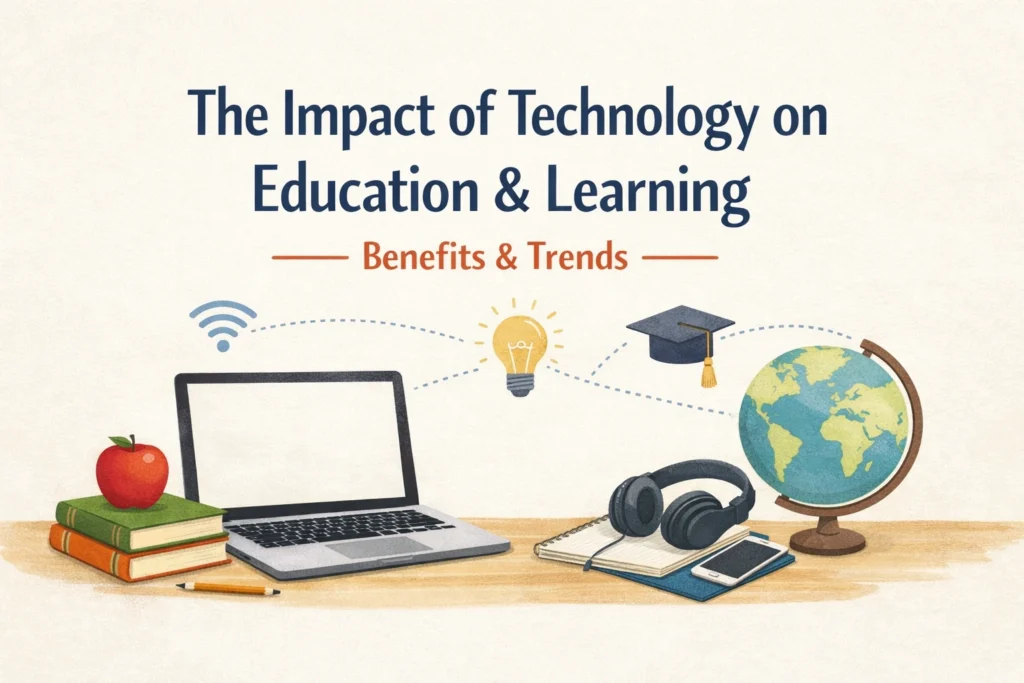
Technology has completely transformed the way we approach education today. From traditional chalkboards to smart classrooms and online learning platforms, the shift has been rapid and impactful. Educational technology, often referred to as EdTech, includes digital tools, software, and systems designed to enhance teaching and learning experiences. Students are no longer limited to physical classrooms; they can now access information anytime and anywhere. This accessibility has made learning more flexible, inclusive, and efficient. As a result, technology is not just a support tool but a core part of modern education systems worldwide.
Evolution of Education with Technology
Education has gone through significant changes over the years, largely driven by technological advancements. In the past, learning was limited to books, lectures, and physical classrooms. However, with the introduction of computers, the internet, and digital devices, education began to evolve rapidly. Today, students use interactive tools, virtual classrooms, and digital resources to enhance their learning experience. The COVID-19 pandemic further accelerated this transformation, forcing institutions to adopt online learning models. This evolution has made education more accessible, personalized, and adaptable to individual learning needs, shaping a smarter and more connected learning environment.
Traditional Learning vs Modern Digital Learning
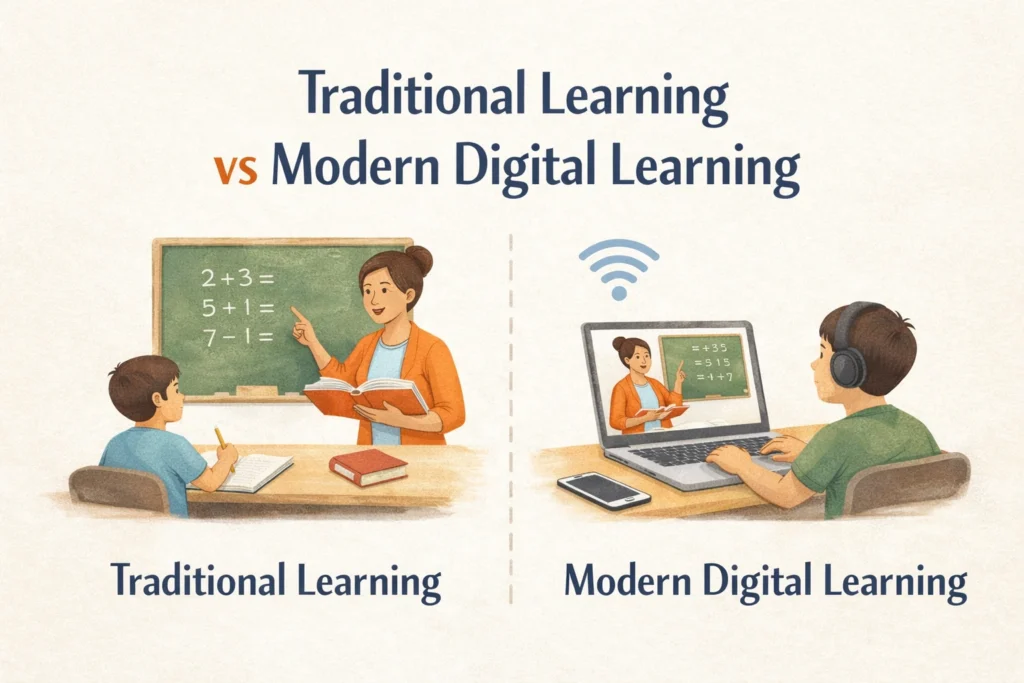
Traditional learning methods mainly rely on face-to-face interaction, textbooks, and structured classroom settings. While this approach has its benefits, it often lacks flexibility and personalization. On the other hand, modern digital learning offers a more dynamic and interactive experience. Students can learn at their own pace, access a wide range of resources, and engage with multimedia content. Digital learning also encourages collaboration through online platforms and tools. This shift has made education more engaging and effective, allowing learners to take control of their educational journey in ways that were not possible before.
You might also like: The Evolution of 5G & Beyond: 6G Future, Trends, and Innovations
Role of Technology in Modern Classrooms
Technology plays a crucial role in shaping modern classrooms by enhancing both teaching and learning experiences. Teachers can use digital tools such as interactive whiteboards, presentation software, and online resources to make lessons more engaging. Students benefit from access to real-time information, collaborative tools, and personalized learning platforms. Technology also enables better communication between teachers and students, both inside and outside the classroom. As a result, modern classrooms have become more interactive, efficient, and student-centered, helping learners develop critical skills needed for the future.
Types of Educational Technologies
Educational technology comes in many forms, each designed to support different aspects of learning. Hardware technologies include devices like laptops, tablets, and smartboards that facilitate digital interaction. Software solutions, such as learning management systems (LMS), educational apps, and online platforms, help organize and deliver content effectively. Additionally, emerging technologies like artificial intelligence, virtual reality, and cloud computing are transforming how students learn and how teachers teach. These tools not only improve accessibility but also create more engaging and personalized learning experiences for students across different educational levels.
Online Learning and E-Learning Platforms
Online learning has become one of the most significant developments in modern education. E-learning platforms allow students to access courses, lectures, and resources from anywhere in the world. This flexibility has made education more inclusive and accessible to a wider audience. Platforms offering structured courses, certifications, and interactive content have changed how people learn new skills. Online learning also supports self-paced education, enabling learners to balance studies with other responsibilities. As technology continues to evolve, e-learning is expected to play an even bigger role in shaping the future of education.
MOOCs and Digital Courses
Massive Open Online Courses (MOOCs) have revolutionized access to education by offering high-quality courses from top institutions to learners worldwide. These courses are often affordable or even free, making education more accessible to people from different backgrounds. Digital courses cover a wide range of subjects and allow learners to study at their own pace. This flexibility and accessibility have made MOOCs a popular choice for students and professionals looking to enhance their knowledge and skills.
Hybrid Learning Systems
Hybrid learning combines traditional classroom teaching with online learning methods, creating a more flexible and effective educational approach. Students can attend in-person classes while also accessing digital resources and participating in online activities. This model allows educators to provide a more personalized learning experience and adapt to different learning styles. Hybrid learning has gained popularity in recent years, especially after the pandemic, as it offers the best of both traditional and digital education systems.
Impact of Technology on Teaching Methods
Technology has significantly changed how teachers deliver lessons and interact with students. Instead of relying solely on lectures, educators now use multimedia presentations, videos, and interactive tools to explain complex concepts more effectively. This shift has made teaching more engaging and adaptable to different learning styles. Teachers can also track student progress using digital platforms and provide personalized feedback in real time. Additionally, technology encourages innovative teaching approaches such as flipped classrooms, where students review content at home and participate in discussions during class, making learning more active and student-centered.
Personalized Learning Through Technology
One of the most powerful impacts of technology in education is the ability to offer personalized learning experiences. Every student has a unique learning style, pace, and set of strengths, and technology helps address these differences effectively. Through adaptive learning systems and data-driven tools, educators can tailor content to meet individual needs. Students can revisit lessons, practice specific skills, and receive targeted support where needed. This approach not only improves understanding but also boosts confidence and motivation, making learning more meaningful and efficient for students of all levels.
Benefits of Technology in Education
Technology brings numerous benefits to the education system, making learning more accessible, efficient, and engaging. Students can access vast amounts of information instantly, breaking geographical and financial barriers. Digital tools also promote interactive learning through videos, simulations, and quizzes, which enhance understanding and retention. Additionally, technology supports collaboration, allowing students to work together regardless of location. It also helps teachers manage classrooms more effectively through automated systems and analytics. Overall, technology empowers both students and educators, creating a more dynamic and productive learning environment.
Student Engagement and Interactive Learning
Engaging students has always been a challenge in traditional classrooms, but technology has made it easier to capture and maintain their attention. Interactive tools such as educational apps, gamified platforms, and multimedia content make learning more enjoyable and immersive. Students can actively participate in lessons through quizzes, discussions, and virtual activities. This level of interaction not only improves understanding but also encourages curiosity and creativity. When students are actively involved in the learning process, they are more likely to retain information and develop a deeper interest in their studies.
Role of Artificial Intelligence in Education
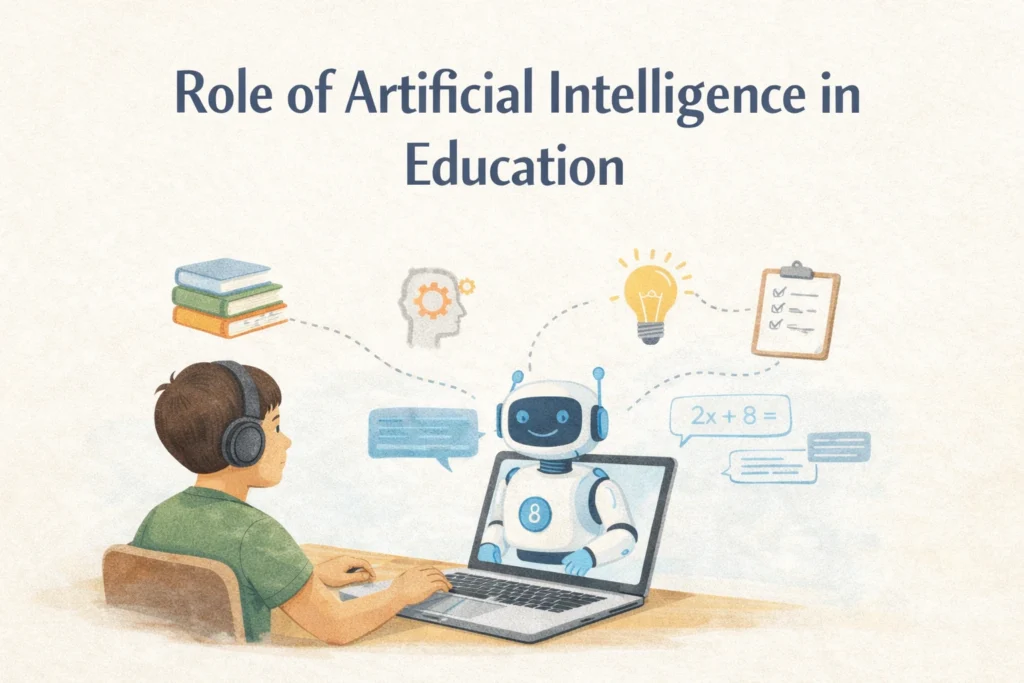
Artificial intelligence is rapidly transforming education by introducing smarter and more efficient ways to teach and learn. AI-powered tools can analyze student performance and provide personalized recommendations to improve learning outcomes. These systems help educators identify gaps in knowledge and address them effectively. AI also automates routine tasks, allowing teachers to focus more on instruction and student interaction. As AI continues to evolve, it is expected to play an even greater role in shaping the future of education by making learning more adaptive, efficient, and accessible.
You might also like: Pantagonar: The Ultimate Platform for Online Productivity
AI Tutors
AI tutors provide personalized assistance to students by offering instant feedback and guidance. These virtual tutors can answer questions, explain concepts, and adapt to individual learning speeds. This makes learning more flexible and accessible, especially for students who need additional support outside the classroom. AI tutors are available 24/7, allowing learners to study at their convenience and improve their understanding without relying solely on human instructors.
Automated Grading Systems
Automated grading systems use technology to evaluate assignments, quizzes, and exams quickly and accurately. This reduces the workload for teachers and ensures faster feedback for students. These systems can assess multiple-choice questions, essays, and even coding assignments using advanced algorithms. Quick feedback helps students understand their mistakes and improve their performance, making the learning process more efficient and responsive.
Challenges of Technology in Education
Despite its many advantages, technology in education also comes with several challenges. One major issue is the lack of equal access to digital resources, which creates a gap between students from different backgrounds. Technical problems, like unstable internet connections, can interrupt the learning process. Additionally, not all teachers and students are comfortable using advanced technologies, which can slow down adoption. Issues related to data privacy and information security are also a major concern. Addressing these challenges is essential to ensure that technology benefits all learners equally.
Digital Divide and Accessibility Issues
The digital divide refers to the gap between those who have access to technology and those who do not. This issue remains a significant challenge in many parts of the world, especially in developing regions. Students without reliable internet or devices are at a disadvantage compared to their peers. This lack of access limits their ability to participate in online learning and benefit from digital resources. Bridging this gap requires efforts from governments, institutions, and organizations to ensure equal opportunities for all learners.
Future Trends in Educational Technology
The future of educational technology looks incredibly promising as new innovations continue to reshape how learning is delivered and experienced. Emerging technologies such as artificial intelligence, machine learning, and blockchain are expected to play a major role in education. These advancements will enable more secure data management, smarter learning systems, and highly personalized educational experiences. Additionally, the integration of virtual and augmented reality will make learning more immersive and practical. As technology evolves, education will become more flexible, inclusive, and tailored to the needs of individual learners, preparing them for a rapidly changing digital world.
AI & Machine Learning in Learning
Artificial intelligence and machine learning are set to revolutionize education by making learning more intelligent and adaptive. These technologies can analyze student behavior, identify learning patterns, and provide customized content based on individual needs. This allows students to learn at their own pace and receive targeted support where necessary. Machine learning algorithms can also help educators predict student performance and intervene early when needed, improving overall learning outcomes and making education more efficient.
Conclusion
Technology has undeniably transformed education and will continue to shape its future in profound ways. From improving accessibility to enabling personalized learning, its impact is far-reaching and continuously evolving. While there are challenges such as the digital divide and data security concerns, the benefits of technology in education outweigh the drawbacks when implemented effectively. The key lies in using technology as a tool to enhance, not replace, human interaction in learning. As education continues to evolve, embracing technology will be essential for creating a more inclusive, engaging, and future-ready learning environment for students worldwide.
Read More Informative Information At Mypasokey