
Introduction to Freelancing for Beginners
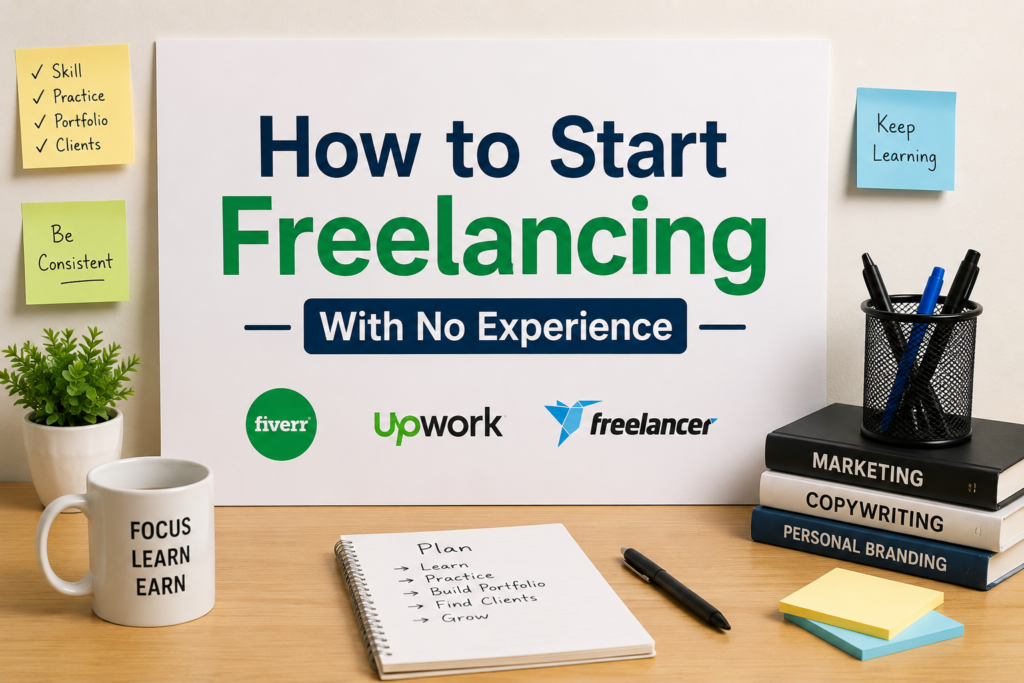
Freelancing has become one of the fastest-growing career paths in the modern digital economy, allowing people to earn online without traditional office jobs. It simply means offering your skills to clients on a project basis instead of being permanently employed. According to Upwork’s Future Workforce Report, over 60% of Gen Z workers are already considering freelancing. The best part is that you do not need prior experience to start. With the right skills, consistency, and learning mindset, anyone can begin freelancing and gradually build a stable online income stream from scratch.
What freelancing actually means
Freelancing means working independently and offering services to multiple clients instead of working for one employer. You are your own boss and choose your projects, rates, and working hours. Common freelance work includes writing, designing, marketing, and virtual assistance. It gives freedom, flexibility, and global opportunities without needing a traditional office job or fixed schedule.
Why freelancing is growing in 2026
Freelancing is rapidly growing in 2026 due to digital transformation, remote work culture, and global demand for online services. Companies now prefer hiring freelancers to reduce costs and access global talent. Reports from Statista show the freelance economy continues to expand yearly, especially in tech and creative fields. This trend makes freelancing a reliable career path for beginners worldwide.
Can you really start without experience?
Yes, you can absolutely start freelancing without experience. Many beginners begin by learning basic skills and practicing through sample projects. Clients often care more about your ability to deliver results than formal experience. Platforms like Fiverr and Upwork allow newcomers to start small, build trust, and grow step by step into professional freelancers over time.
Understanding the Freelancing Mindset
Success in freelancing is not only about skills but also about mindset. Unlike traditional jobs, freelancing requires self-discipline, patience, and continuous learning. You must think like a business owner rather than an employee. Earnings may not be instant, but consistency leads to long-term success. Many beginners fail because they expect quick results. In reality, freelancing is a gradual process where experience builds over time. Developing resilience and focusing on skill improvement instead of shortcuts is the foundation of becoming a successful freelancer in today’s competitive digital marketplace.
Shifting from an employee mindset to a freelancer mindset
An employee mindset focuses on fixed hours and salary, while a freelancer mindset focuses on value creation and results. Freelancers must take responsibility for finding clients, managing time, and delivering quality work. This shift is essential because income is directly linked to performance. Thinking like an independent business owner helps you grow faster in freelancing careers.
Importance of patience and consistency
Patience and consistency are key to freelancing success. Most beginners do not earn immediately, and it may take weeks or months to get the first client. Consistent learning, applying, and improving skills gradually builds trust and experience.
Setting realistic expectations in the beginning
Beginners should set realistic expectations when starting freelancing. It is not a get-rich-quick method but a skill-based career. Early income may be low or inconsistent, but it improves with experience. Understanding this helps avoid frustration. Setting achievable goals like learning skills or getting first clients within months leads to sustainable long-term success.
Choosing the Right Freelancing Skill
Choosing the right skill is the foundation of freelancing success, especially for beginners with no experience. The key is to select a skill that is both in demand and easy to learn. High-demand areas include content writing, graphic design, virtual assistance, and social media management. According to industry reports, digital marketing and content creation jobs continue to grow globally. Instead of trying everything, focus on one skill, practice it consistently, and improve over time. A focused approach increases your chances of landing your first freelance client faster.
Content writing
Content writing is one of the easiest freelancing skills to start with no experience. It involves writing blogs, articles, or website content for clients. All you need is good English and research ability. With practice, beginners can quickly improve and start earning through platforms like Fiverr or Upwork.
Graphic design
Graphic design involves creating visual content such as logos, social media posts, and banners. Beginners can start using tools like Canva without advanced skills. Many businesses need affordable design work, making it a great entry-level freelancing skill. With creativity and practice, you can build a strong portfolio and attract clients even without formal design experience.
Data entry
Data entry is a simple freelancing job that involves inputting, organizing, or managing data in spreadsheets or systems. It requires attention to detail rather than advanced technical skills. Beginners often start here to gain experience on freelancing platforms. Although it is lower paying, it helps build confidence and understanding of client communication and deadlines.
Virtual assistance
Virtual assistants help businesses with tasks like email management, scheduling, and customer support. It is ideal for beginners because it requires basic organizational skills. Many startups hire virtual assistants remotely. This role helps freelancers understand business operations while earning income. With experience, virtual assistants can move into higher-paying administrative or managerial freelance roles.
Social media management
Social media management involves handling business accounts on platforms like Instagram, Facebook, and TikTok. Beginners create posts, reply to comments, and grow audience engagement. Since almost every business needs a social media presence, demand is high. With basic marketing knowledge and creativity, freelancers can quickly enter this field and build long-term client relationships.
How to pick a skill based on interest and market demand
Choosing a skill should balance interest and market demand. Start by asking what you enjoy doing, and then check if it has online demand. Platforms like Upwork and Fiverr show trending services. A skill that matches both passion and demand increases motivation and earning potential. This balance is essential for long-term freelancing success.
How to Learn Freelancing Skills for Free or Low Cost
Learning freelancing skills has never been easier due to free online resources. Platforms like YouTube, Coursera, and Google Digital Garage offer high-quality courses at no cost. Beginners can learn step by step without investing heavily in paid programs. The key is not just learning but practicing consistently. Many successful freelancers recommend spending 30 to 60 days building basic skills before applying for jobs. With discipline and daily practice, anyone can develop job-ready skills and start freelancing without formal education or prior professional experience.
Free learning platforms (YouTube, Coursera, etc.)
Free platforms like YouTube, Coursera, and edX provide beginner-friendly freelancing tutorials. You can learn writing, design, marketing, and more without paying fees. These platforms offer structured lessons from experts worldwide. The advantage is flexibility, allowing you to learn at your own pace. Consistent learning from these sources can help build strong foundational skills quickly and effectively.
Practice before earning approach
Before earning, beginners should focus on practice. Creating sample projects helps build confidence and skill quality. Practicing real-world tasks improves understanding of client requirements. Many freelancers fail because they rush into earning without preparation. Practicing first ensures better performance when real clients arrive. This approach significantly increases the chances of long-term success in freelancing careers.
Building basic skill proficiency in 30–60 days
With consistent effort, beginners can achieve basic freelancing proficiency within 30 to 60 days. Daily practice, tutorials, and mini-projects help speed up learning. The key is focus and repetition rather than rushing. By the end of two months, you can confidently start applying for beginner-level freelance jobs and gradually improve through real client experience.
Building Your First Portfolio Without Clients
A portfolio is essential for freelancing success because it showcases your skills to potential clients. Even without clients, you can create sample projects to demonstrate your abilities. Think of it as your digital resume. Employers want proof of what you can do, not just promises. Beginners can build portfolios using free tools like Canva or Google Docs. A strong portfolio increases trust and improves your chances of getting hired on platforms like Fiverr and Upwork, even if you are completely new.
What a portfolio is and why it matters
A portfolio is a collection of your work samples that shows your skills and abilities. It matters because clients use it to judge your capability before hiring. Even without experience, a well-made portfolio can attract clients. It builds trust and proves you can deliver results. Without a portfolio, it becomes difficult to compete in freelancing markets.
Creating sample projects
Sample projects allow beginners to showcase skills without real clients. For example, write a blog sample, design a logo, or create a mock social media post. These projects demonstrate your ability and creativity. Clients often accept beginners based on strong sample work. It is one of the most effective ways to start freelancing without experience.
Using fake/demo projects to showcase skills
Demo projects are fictional work examples created to display your skills. You can design imaginary brands or write sample articles. These help fill your portfolio when you have no clients. Many successful freelancers started this way. The goal is to show quality and creativity that convinces clients you are capable of handling real projects.
Free tools to build a portfolio (Canva, Google Docs, etc.)
Free tools like Canva, Google Docs, and Behance help beginners create professional portfolios. Canva is great for designs, while Google Docs is perfect for writing samples. Behance allows designers to showcase their visual work publicly. These tools are beginner-friendly and cost nothing. Using them effectively can make your portfolio look professional even without paid software.
Setting Up Freelancing Profiles on Platforms
Setting up strong freelancing profiles is crucial for getting clients on platforms like Fiverr, Upwork, and Freelancer. Your profile acts as your online identity and first impression. A well-optimized profile increases visibility and trust. Beginners should focus on clear descriptions, relevant skills, and professional presentation. According to Upwork data, complete profiles receive significantly more client invitations. Even without experience, a well-written profile with sample work and strong keywords can help you stand out and start receiving freelance job opportunities faster than expected.
Fiverr
Fiverr is a beginner-friendly freelancing platform where you create service listings called “gigs.” It allows freelancers to offer services at low prices. Beginners can easily attract clients by creating clear, keyword-rich gig descriptions. Fiverr is ideal for writers, designers, and digital marketers who want to start freelancing without experience and build early client reviews.
Upwork
Upwork is a professional freelancing platform where clients post jobs and freelancers apply with proposals. It is highly competitive but offers higher-paying opportunities. Beginners can start by applying to small projects and building credibility. A strong profile and well-written proposals are essential. Over time, Upwork can become a long-term income source for freelancers.
Freelancer
Freelancer.com allows users to bid on projects across multiple categories. It is suitable for beginners who want to explore different types of freelance work. The bidding system requires patience and strategy. While competition is high, consistent applications help beginners secure their first projects. It is a good platform for gaining early freelancing experience.
How to create a strong profile
A strong freelancing profile includes a clear headline, skill description, and portfolio samples. Use simple, professional language and highlight what value you offer. Avoid long or confusing bios. Profiles with complete details and keywords rank better in search results. A well-structured profile increases trust and improves chances of getting hired quickly.
Writing an attractive bio with no experience
Even without experience, you can write an attractive bio by focusing on skills, learning attitude, and dedication. Mention what you are learning and what value you can provide. Clients appreciate honesty and enthusiasm. A strong beginner bio shows confidence and willingness to deliver quality work. This helps you stand out among new freelancers.
How to Get First Client with No Experience
Getting your first freelance client is often the hardest step, but it becomes easier with the right strategy. Beginners should focus on sending personalized proposals, applying to low-competition gigs, and offering strong value even at entry-level pricing. According to Upwork’s hiring insights, clients often choose freelancers who show clarity and problem-solving ability rather than experience. You can also use alternative proof, like sample work, instead of testimonials. The goal is to build trust, even without a track record, and secure that first opportunity to start your freelancing journey successfully.
Sending effective proposals
An effective proposal clearly explains how you can solve the client’s problem. Avoid generic copy-paste messages. Instead, personalize each proposal based on the job description. Keep it short, focused, and value-driven. A strong proposal increases your chances of getting noticed even if you are a beginner.
Applying to low-competition gigs
Low-competition gigs are easier for beginners to win because fewer freelancers are applying. These jobs are often simple tasks like data entry or basic writing. Targeting such opportunities helps you gain experience and build reviews. Over time, these small wins improve your credibility and make it easier to land higher-paying freelance projects.
Offering value at lower rates initially
As a beginner, offering slightly lower rates can help you attract your first clients. However, the focus should always be on quality work, not cheap pricing. This strategy helps you build trust and reviews quickly. Once you gain experience, you can gradually increase your rates and move toward standard industry pricing.
Using social proof alternatives
If you have no reviews or clients, use alternative social proof such as sample projects, certifications, or skill demonstrations. You can also show before-and-after examples or mock work. These help clients understand your abilities. Even without real testimonials, a strong presentation can build confidence and improve your chances of getting hired.
Pricing Strategy for Beginners
Pricing is one of the most important decisions for new freelancers. Beginners often struggle between charging too low or too high. The best approach is to start with competitive yet fair pricing that reflects your experience and skill level. Research platforms like Fiverr and Upwork to understand market rates. According to freelance market data, beginner services often start between $5 to $20 per task, depending on complexity. The goal is to attract clients while still valuing your work. As you gain experience, your pricing should gradually increase with your skill growth.
How to set beginner-friendly pricing
Beginner-friendly pricing means setting rates that are affordable for clients but still respectful of your effort. Start with simple pricing models like per project or hourly rates. Research similar freelancers to understand market standards. Avoid overpricing at the beginning, as it may reduce your chances of getting clients. Focus on building experience first, then increasing rates.
Avoiding underpricing mistakes
Many beginners make the mistake of charging extremely low prices, which can reduce perceived value. While low pricing helps attract clients initially, going too low can make your work look less professional. It can also lead to burnout. Always balance affordability with fair compensation for your time and effort to build a sustainable freelancing career.
Increasing rates over time
As you gain experience and positive reviews, gradually increase your rates. Clients are willing to pay more for proven results. You can raise prices after completing several successful projects or gaining strong feedback. This strategy helps you grow income steadily while maintaining client trust and long-term relationships.
Common Mistakes Beginners Should Avoid
Most beginners fail in freelancing not because of a lack of skills, but due to avoidable mistakes. Common issues include unrealistic expectations, poor communication, and inconsistent learning. Freelancing requires professionalism and patience. According to industry surveys, many new freelancers quit within three months due to frustration. Avoiding these mistakes early can significantly improve your success rate. Focus on building skills, maintaining client relationships, and learning continuously. Understanding these common pitfalls helps you stay on the right path and grow steadily in your freelancing career without unnecessary setbacks.
Expecting quick money
One of the biggest mistakes beginners make is expecting fast income. Freelancing is not a get-rich-quick system. It takes time to build skills, find clients, and earn trust. Most successful freelancers spend weeks or months before earning consistently. Having realistic expectations helps you stay motivated and avoid disappointment during the early stages.
Ignoring skill improvement
Freelancers who stop learning often struggle to grow. Skills in digital industries evolve quickly, so continuous improvement is necessary. Beginners should regularly practice, learn new tools, and upgrade their abilities. Ignoring skill development limits your earning potential and reduces long-term success in freelancing.
Poor communication with clients
Good communication is essential in freelancing. Many beginners lose clients due to unclear messages or delayed responses. Always be professional, polite, and responsive. Clear communication builds trust and ensures smooth project delivery. It is one of the most important soft skills for long-term freelancing success.
Copy-paste proposals
Using generic copy-paste proposals reduces your chances of getting hired. Clients can easily recognize when messages are not personalized. Each proposal should be tailored to the job description. Personalization shows effort and understanding, which significantly improves response rates and increases your chances of landing projects.
How to Scale from Beginner to Professional Freelancer
Scaling from beginner to professional freelancer requires consistency, skill improvement, and strategic growth. Once you gain experience, focus on building long-term client relationships and improving service quality. According to freelancing industry reports, top freelancers earn significantly more by maintaining repeat clients rather than constantly finding new ones. Developing a personal brand also helps increase visibility and trust. Over time, you should move from low-paying gigs to high-value projects. The goal is to position yourself as an expert in your niche and create a stable, scalable freelance income.
Building long-term clients
Long-term clients provide stability and consistent income. Instead of constantly searching for new work, focus on delivering quality service that encourages repeat business. Strong relationships reduce workload stress and increase earnings over time. Communication, reliability, and professionalism are key to retaining clients.
Improving skill set continuously
Continuous learning is essential for freelancing growth. As industries evolve, new tools and techniques emerge. Freelancers who upgrade their skills stay competitive and earn more. Dedicate time weekly to learning and practice to maintain long-term success.
Creating a personal brand
A personal brand helps you stand out in the freelancing market. It includes your portfolio, online presence, and reputation. Sharing your work on platforms like LinkedIn builds credibility. A strong brand attracts higher-paying clients and long-term opportunities.
Moving to high-paying projects
Once experienced, aim for high-paying projects that match your expertise. These projects often require advanced skills and professionalism. Gradually shifting from low to high-value work increases income stability and career growth in freelancing.
Conclusion
Starting freelancing with no experience is completely possible if you follow the right steps with consistency and patience. The journey begins with learning a skill, building a portfolio, and applying for your first client. While success does not happen overnight, freelancing offers unlimited growth potential for those who stay committed. According to global workforce studies, freelance work is expected to continue expanding in the coming years. If you stay focused, keep improving, and avoid common mistakes, you can turn freelancing into a reliable and long-term income source from anywhere in the world.
Summary of key steps
The key steps include choosing a skill, learning it, building a portfolio, and applying for jobs consistently. Beginners should focus on practice and small wins before scaling up. Following these steps creates a strong foundation for freelancing success.
Encouragement for beginners to start now
There is no perfect time to start freelancing. The best approach is to begin with what you have and improve along the way. Every expert freelancer once started as a beginner. Taking action today increases your chances of success in the future.
Final motivational note
Freelancing rewards consistency, patience, and effort. Even without experience, you can build a successful career if you stay committed. Keep learning, keep applying, and never stop improving. Small steps today can lead to big opportunities tomorrow.
✨ Your daily tech edge starts here. Follow MyPasokey.